
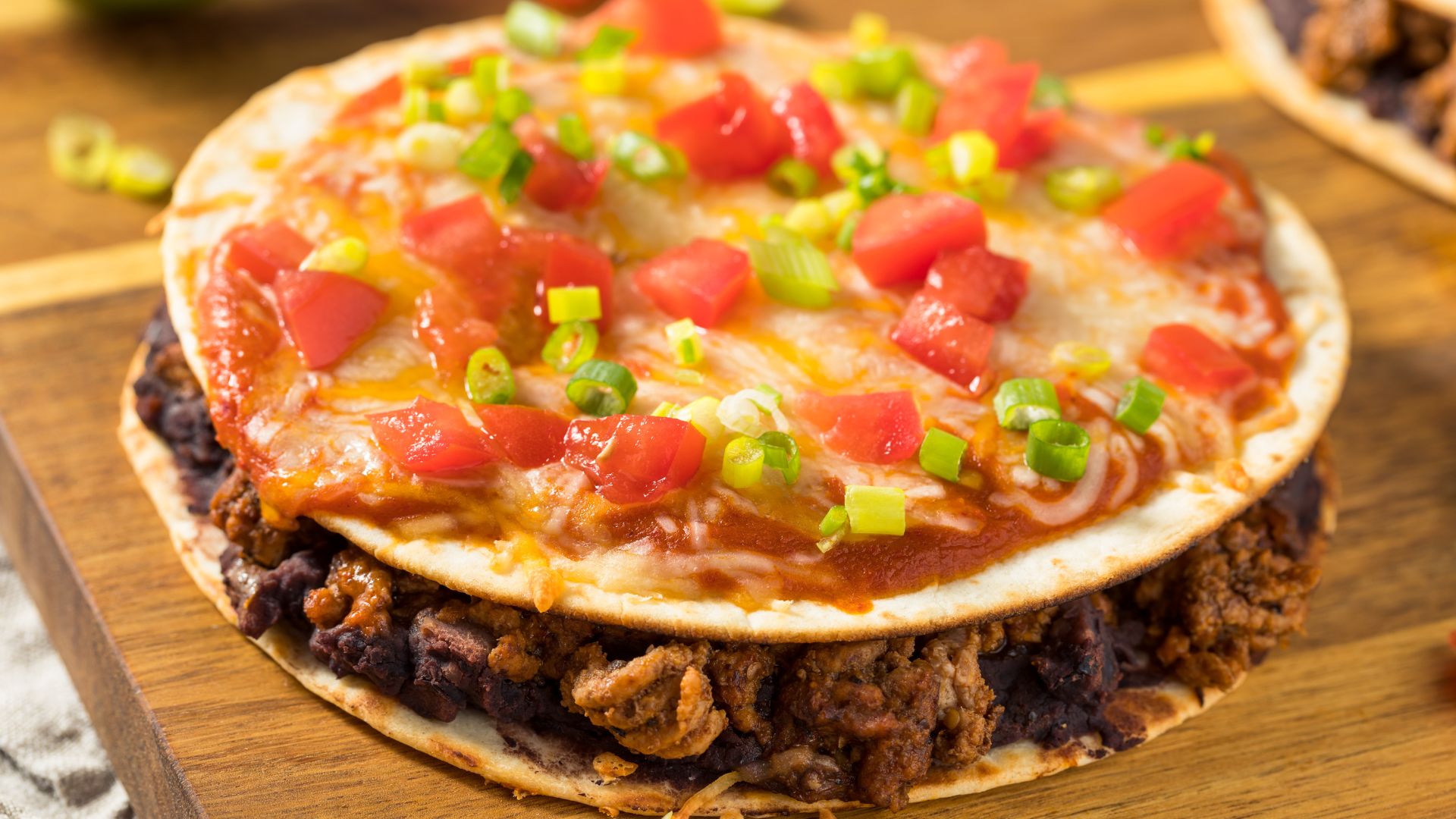
Creating pizza dough is an exercise in precision and patience, where every ingredient and step carries immense weight. The craft begins with choosing the right flour, often high-protein varieties, to ensure structure and elasticity. The blending of flour, water, yeast, and salt isn’t just mixing — it’s an alchemical process where temperature control and timing invite yeast to ferment slowly, unlocking complex flavors and creating air pockets that give the dough its airy texture. Skilled pizza makers avoid shortcuts, knowing that rushing fermentation can rob the dough of its character. The dough is carefully kneaded to develop gluten, providing strength, yet it remains supple enough to stretch without tearing.
Beyond the science, the shaping of the dough is a tactile art. Hand-stretching, a preferred technique, helps maintain airiness and creates the signature thin center with a puffy, golden crust edge. This hands-on approach reveals the pizzaiolo’s connection with the dough — feeling its resistance and knowing just when it’s ready. The natural irregularities in hand-stretched dough add personality and authenticity to the pizza, setting it apart from mass-produced counterparts. This devotion to dough preparation forms the backbone of craftsmanship, promising a base that’s as delightful to bite into as it is to behold.
Selecting Ingredients That Speak of Quality and Freshness
Ingredients transform pizza from a simple dish into a celebration of flavor, and selecting them with care is fundamental to craftsmanship. Each topping is chosen not only for its taste but also for its freshness and origin. Locally sourced vegetables, hand-picked for ripeness and vibrancy, bring brightness and texture to the pie. Cheeses are selected based on meltability and flavor profiles, with artisans often blending different varieties to achieve nuanced richness. Meats, whether cured or fresh, are carefully sliced or crumbled to enhance flavor without overwhelming the palate.
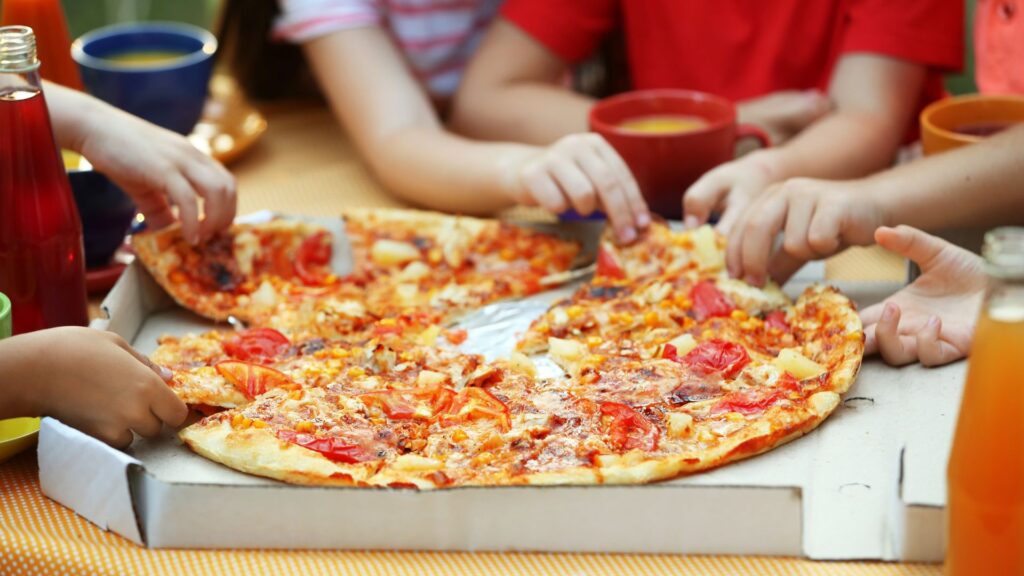
The reverence for quality is matched by respect for seasonality. Freshness means ingredients are used at their peak, preserving their natural sweetness, juiciness, and nutrients. This approach reflects an understanding of how ingredients interact during cooking, as fresh toppings release flavors that meld beautifully without turning soggy or bitter. The attention paid to sourcing and handling is a subtle yet vital part of the pizza’s final character. By honoring the integrity of each component, artisans create pies that tell a story of quality, care, and culinary passion with every bite.
The Role of Sauce in Elevating Flavor Complexity
Sauce is the flavor foundation beneath the toppings, setting the tone for the entire pizza. Craftsmanship here involves selecting tomatoes that offer a balance of sweetness and acidity, often San Marzano or other premium varieties known for their rich flavor. The tomatoes are carefully crushed or pureed, preserving their natural texture and brightness. Then herbs like basil and oregano are added, sometimes alongside garlic or a hint of chili, creating a symphony of flavors that tease the palate. Simmering the sauce gently melds these elements, reducing excess water to achieve a consistency that clings perfectly to the dough.
This delicate balance ensures the sauce enhances rather than competes with other toppings. The interplay between acidity and herbaceous notes creates complexity, giving the pizza a lively, layered flavor profile. The sauce’s role extends beyond taste — it also contributes moisture, keeping the crust tender while providing a silky base for melted cheese and savory toppings. A well-crafted sauce signals the artisan’s attention to every detail, where subtle variations can elevate the pizza from good to exceptional, making each slice an exploration of layered tastes.
Techniques That Shape the Perfect Pizza Crust
The crust is the pizza’s frame, and its formation requires practiced skill and understanding of dough behavior. Craftsmanship emerges as the pizza maker gently stretches or tosses the dough, aiming for an even thickness without compromising the integrity of the air bubbles formed during fermentation. This technique ensures that the crust remains light and airy, with a crisp exterior and a tender interior. The shaping process also determines the crust’s final aesthetic, whether it’s a classic round shape or a more rustic, freeform pie.
In addition to shaping, artisans apply finishing touches that enhance flavor and texture. Brushing the crust with olive oil before baking imparts a golden sheen and subtle richness, while sprinkling sea salt or herbs adds bursts of flavor with every bite. The crust edges often receive extra attention, puffing up to form a satisfying chew and acting as a perfect vessel for dipping sauces or toppings that may fall off. This hands-on care transforms the crust from a simple base into a defining feature that reflects the craftsmanship invested in every pizza.
Baking Methods That Capture the Essence of Tradition
Baking is the moment where craftsmanship meets transformation. The traditional wood-fired oven, with its intense, radiant heat and smoky aroma, remains the gold standard for achieving a crust that’s blistered yet tender. The high temperatures cook pizzas quickly, locking in moisture and creating a delightful char that adds complexity and a hint of smokiness. Pizza makers skilled in this method must master the oven’s quirks — rotating pies for even cooking, gauging temperature through experience, and timing precisely to avoid burning.
For those who use modern ovens, replicating this effect demands finesse. Crafting the right environment through careful temperature settings and baking times requires experimentation and deep knowledge. Regardless of the method, the goal remains consistent: to produce a pizza that boasts a crust both crisp and soft, cheese melted to perfection, and toppings cooked just right. The oven becomes a stage where tradition and skill converge, and the resulting pizza is a tribute to the artisan’s commitment to preserving authentic flavor and texture.
Cheese Selection and Melting Precision
Cheese is the luscious, creamy heart of a pizza, and its selection is an art form. Mozzarella’s mild, milky flavor and excellent melting qualities make it a cornerstone, but blending cheeses like provolone, fontina, or ricotta adds layers of richness and subtle tang. Craftsmanship lies in choosing cheeses that melt uniformly without releasing excess oil or turning rubbery, which can spoil the pizza’s texture. Some artisans age their own cheeses or carefully source from local dairies to maintain freshness and flavor integrity.
Timing is critical in cheese melting. During baking, cheeses soften, bubble, and stretch, contributing to the pizza’s sensory appeal. Overcooking risks dryness, while undercooking leaves the cheese unmelted and unappealing. Skilled pizza makers monitor their ovens closely, pulling pizzas at the precise moment when cheeses achieve that perfect gooey texture. This balance enhances every bite, creating a silky mouthfeel that contrasts beautifully with the crisp crust and savory toppings. The cheese’s role is not just flavor but textural harmony, embodying the craftsmanship that turns pizza into comfort food perfection.
Thoughtful Topping Combinations and Layering
The artistry of toppings extends beyond selection to how they interact. Crafting a pizza with a harmonious blend of flavors and textures requires intuition and experimentation. Complementary ingredients like sweet caramelized onions paired with spicy sausage or fresh arugula atop salty prosciutto create contrast and balance, engaging the palate with every bite. This interplay prevents any one element from overpowering the others, resulting in a unified flavor experience.
Layering is equally important, as it influences how toppings cook and release moisture. Heavier ingredients like meats or thick vegetables go near the bottom to cook thoroughly, while delicate greens or herbs are added after baking to preserve freshness and color. This deliberate placement maintains crispness and prevents sogginess, showcasing the artisan’s understanding of ingredient behavior under heat. Thoughtful combinations and layering reveal a deep respect for both tradition and innovation, turning each pizza into a canvas for culinary expression.
Visual Presentation as an Expression of Skill
The visual appeal of a pizza is an immediate invitation to indulge, reflecting the care and skill behind its creation. Artisans arrange toppings with an eye for color, texture, and balance, ensuring each slice is a feast for the eyes as well as the palate. The golden crust, vibrant reds and greens of fresh toppings, and the glossy sheen of melted cheese come together to create a visually stunning dish. This aesthetic harmony enhances anticipation and enjoyment.
Final garnishes elevate the pizza further — a sprinkle of fresh basil, a drizzle of extra virgin olive oil, or a dusting of grated parmesan add both flavor and beauty. These finishing touches highlight the pizza’s handcrafted nature and attention to detail. Presentation is more than decoration; it’s a reflection of pride in the craft and an integral part of the dining experience that connects the artisan with the customer through visual storytelling.
Consistency in Quality Through Repetition and Refinement
True craftsmanship is defined not only by skill but by consistency. The ability to deliver a pizza that meets high standards every single time is the result of repeated practice and constant refinement. Pizza makers cultivate routines that control ingredient quality, dough handling, and baking techniques. This discipline ensures that customers receive a familiar and satisfying experience, building loyalty and reputation.
Behind this reliability is a commitment to ongoing learning. Every batch offers insights — slight variations in humidity, temperature, or ingredient behavior prompt adjustments and improvements. This iterative process embodies the spirit of craftsmanship, where perfection is pursued but never fully reached, encouraging continuous growth. Through dedication and careful attention, artisans ensure that excellence becomes a hallmark, making every pizza slice a testament to their passion and expertise.
The Community Connection in Pizza Craftsmanship
Pizza craftsmanship goes beyond the kitchen, weaving itself into the fabric of the local community. Artisans draw inspiration from regional flavors, local traditions, and customer preferences, creating pizzas that resonate with a sense of place. Using local produce or honoring family recipes reflects a desire to contribute to the cultural identity and shared experiences of the community.
Furthermore, the pizza-making process itself fosters connection. Watching dough being stretched, smelling fresh sauce simmering, and seeing pizzas emerge from the oven creates a sensory experience that draws people together. The restaurant becomes a gathering place where craftsmanship meets hospitality, and every pizza tells a story of collaboration, heritage, and joy. This bond enriches both the pizza and those who enjoy it, transforming dining into a meaningful ritual.
Conclusion
Craftsmanship in pizza making is an intricate blend of tradition, precision, and passion that unfolds in every slice. From the careful preparation of dough to the thoughtful layering of toppings and the expert baking process, each step reveals a dedication to quality and flavor. This attention to detail transforms pizza from a simple meal into an experience that satisfies not only hunger but also the soul. The artistry found in selecting ingredients, crafting sauces, and perfecting the crust reflects a deep respect for culinary heritage and innovation alike.
For those in Scottsdale, Arizona, seeking a place where this level of craftsmanship comes alive, Night Owl Pizza & Drinks Scottsdale stands as a beacon of authentic flavor and skill. Located at 1645 Hayden Rd, this establishment invites pizza lovers to enjoy slices crafted with care and passion. To discover their offerings or place an order, simply call (480) 687-1827. Here, pizza is not just food — it is a testament to the art of craftsmanship shared with every customer who walks through the door.