

Pizza has come a long way from its origins as a straightforward street food to a sophisticated culinary delight that commands respect in fine dining. Modern pizza craftsmanship embodies a deep respect for heritage while embracing contemporary culinary techniques. Artisans now dedicate themselves to perfecting every step of the pizza-making process. From selecting the finest flour for dough to allowing precise fermentation times, the dough becomes a foundation rich in flavor and texture. This evolution extends to the sauce, where chefs craft blends from sun-ripened tomatoes, fresh herbs, and secret spice infusions that add layers of complexity. Cheese choices go beyond standard mozzarella to include varieties that melt and bubble differently, enhancing both taste and mouthfeel.
In restaurant kitchens, this elevated craftsmanship is supported by new tools and methods that push the boundaries of what pizza can be. High-temperature ovens designed for exact heat control ensure that each pie cooks evenly, with a crust that is crisp on the outside yet airy inside. Some chefs even experiment with alternative dough hydration levels or ancient grain blends to add unique character. This marriage of tradition and innovation invites diners to experience pizza as an artisanal masterpiece—an edible art form that celebrates the marriage of time-honored skill and bold experimentation. Every bite tells a story of craftsmanship refined through passion and modern ingenuity.
Bold Flavor Combinations Redefining Taste Expectations
The pizza palate of today has expanded dramatically, fueled by fearless chefs eager to push boundaries and defy expectations. The era of the simple pepperoni or mushroom pizza has given way to bold flavor explorations that combine ingredients in unexpected ways. This adventurous spirit encourages surprising duos such as sweet figs paired with salty prosciutto or spicy jalapeños balancing creamy ricotta. These inventive mixtures create a complex taste profile that excites the senses and challenges diners to reconsider their pizza preferences. Each bite becomes a dynamic experience, layered with sweet, savory, smoky, and tangy notes that unfold gradually.
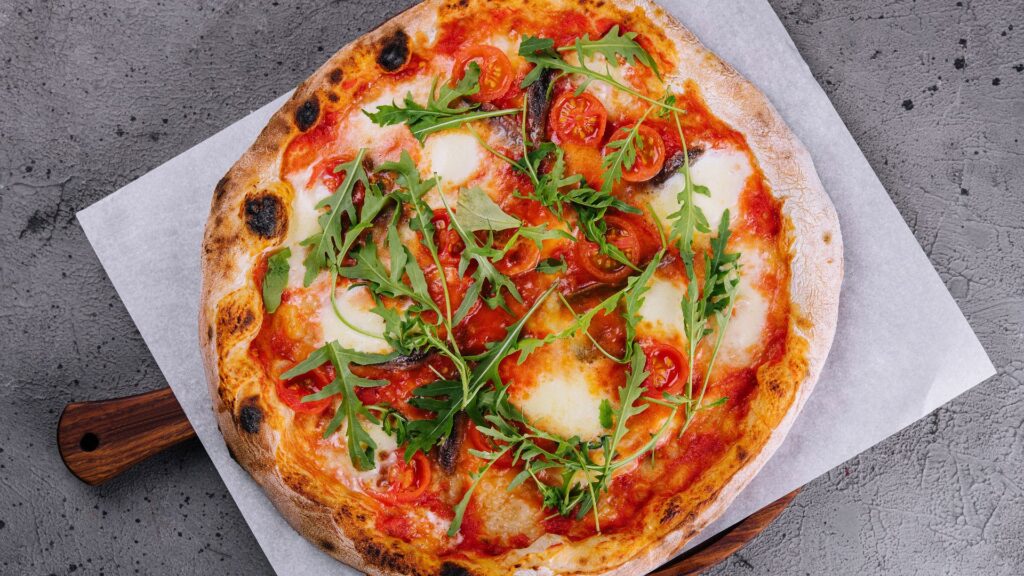
Such creativity is often inspired by seasonal ingredients, regional specialties, or global culinary influences. For instance, a pizza might feature caramelized onions and smoked gouda one day, then transition to Thai-inspired toppings with peanut sauce and fresh herbs the next. This boldness also invites diners to discover new favorites, forging a deeper connection with the food through surprise and delight. The constant evolution of toppings and flavor pairings keeps menus fresh and intriguing, ensuring that pizza remains a vibrant and relevant staple in contemporary food trends. It reflects a culinary confidence that embraces both comfort and innovation simultaneously.
Sustainability Practices Transforming Pizza Production
Sustainability is no longer a niche concept but a vital movement reshaping how restaurants approach food production, and pizza establishments are increasingly at the forefront of this shift. Conscious sourcing is a cornerstone, where ingredients are procured locally and organically whenever possible. This reduces the environmental impact of transportation while supporting community farmers and producers. Additionally, seasonal menus capitalize on what is fresh and abundant, promoting biodiversity and reducing waste. Such practices enhance the quality of the pizza as well, as fresher ingredients inherently deliver superior flavor and nutrition.
Beyond sourcing, many pizza kitchens implement measures to minimize waste and energy consumption. From composting vegetable scraps to repurposing dough leftovers creatively, these initiatives demonstrate a commitment to environmental responsibility. Packaging has also evolved, with many restaurants opting for biodegradable or recyclable materials to reduce landfill contributions. Energy-efficient appliances and water-saving devices further underscore the dedication to sustainability. These efforts resonate with environmentally conscious consumers who increasingly value businesses that align with their values. The result is a pizza experience that nourishes both the diner and the planet.
The Rise of Customization and Interactive Dining
The desire for personalized dining experiences has led to a remarkable shift in how pizza is enjoyed. No longer confined to fixed menus, customization allows diners to take an active role in creating their perfect pie. Restaurants now offer extensive options, including various crust styles, sauces, cheeses, and a dazzling array of toppings, enabling guests to tailor every bite to their liking. This level of control transforms dining into an engaging experience, inviting creativity and ensuring satisfaction across a wide spectrum of preferences and dietary needs.
To enhance this interactive approach, technology plays a key role. Digital ordering platforms and tabletop tablets guide customers through their choices, often providing suggestions or flavor pairings to inspire. Some venues even offer augmented reality previews of their custom creations, elevating the anticipation. This interaction deepens the connection between diner and dish, making the meal more memorable and fun. The emphasis on customization reflects a broader trend in hospitality where personalization and guest empowerment are paramount. It redefines pizza from a static dish into a living, evolving culinary dialogue shaped by individual tastes.
The Influence of Global Cuisines on Pizza Innovation
Global flavors have become a rich source of inspiration for pizza innovation, expanding its identity far beyond its Italian roots. Chefs now draw on diverse culinary traditions to craft pizzas that embody the essence of international dishes. Toppings might include spicy tandoori chicken from India, tangy kimchi from Korea, or the fresh, bright notes of Mediterranean olives and feta cheese. This fusion creates a unique gastronomic bridge that invites diners to explore new cultures through the familiar format of pizza.
This cross-cultural blending also opens the door to experimenting with different sauces, spices, and preparation techniques. For instance, incorporating elements like harissa paste or curry spices introduces bold flavors that are both exotic and accessible. It enriches the dining experience by layering narratives of heritage and innovation onto each pizza. Moreover, this global influence mirrors the multicultural nature of modern communities, making pizza a vibrant reflection of contemporary culinary dialogue. The result is an ever-expanding repertoire of flavors that keeps pizza exciting and relevant.
Technology Enhancing Quality and Consistency
Technology has profoundly impacted the pizza industry by elevating quality control and operational efficiency without sacrificing the artisanal touch. State-of-the-art ovens with smart heat management ensure that every pizza is cooked uniformly, with consistent crust crispness and perfectly melted toppings. This precision reduces guesswork in busy kitchens, allowing chefs to focus more on creativity and less on routine. Automated dough mixers and proofers standardize key steps while preserving the unique characteristics that define a restaurant’s signature crust.
Behind the scenes, data-driven tools optimize inventory management and workflow, reducing food waste and improving turnaround times. Integrated ordering systems streamline communication between front-of-house and kitchen staff, enhancing customer service. These technological innovations create a smoother dining experience that balances speed, quality, and customization. As technology continues to advance, it promises to deepen the relationship between craftsmanship and efficiency, ensuring that pizza lovers consistently enjoy outstanding pies no matter when or where they dine.
Embracing Dietary Inclusivity with Creative Alternatives
The rise of diverse dietary needs has challenged pizza makers to rethink traditional recipes and develop creative alternatives that welcome everyone to the table. Gluten-free crusts, once dry and uninspired, have evolved into flavorful bases made from ancient grains, cauliflower, or nut flours, delivering satisfying textures and taste. Vegan cheeses, crafted from nuts or plant-based proteins, melt and stretch convincingly, providing richness without dairy. These innovations empower those with allergies or lifestyle choices to enjoy pizza without compromise.
Beyond substitution, these alternative options have sparked new flavor profiles and culinary creativity. Plant-based toppings like marinated mushrooms, roasted vegetables, and textured proteins offer varied tastes and nutritional benefits. This inclusivity not only broadens the customer base but also encourages healthier and more mindful eating habits. It challenges chefs to innovate continuously and reflects a progressive food culture where adaptability and respect for individual preferences are paramount. The result is pizza that is as diverse as its diners.
The Art of Presentation Elevating Dining Atmosphere
Presentation has become a vital element in modern pizza dining, where visual appeal enhances the overall sensory experience. Chefs arrange toppings with an artist’s eye, considering color contrasts, shapes, and balance to create pizzas that look as appetizing as they taste. Techniques such as scattering edible flowers, fresh herbs, or microgreens add layers of visual and textural interest. The rustic charm of a perfectly blistered crust or the gleam of olive oil brushed atop a pie elevates even the simplest ingredients into an elegant statement.
Presentation extends beyond the pizza itself to the way it is served. Unique platters, wooden boards, or stone slabs contribute to the atmosphere and reinforce the restaurant’s aesthetic. Some venues pair pizzas with carefully curated sides or dipping sauces presented in artisanal bowls, enhancing the meal’s overall impression. This focus on aesthetics invites diners to slow down, savor each slice, and appreciate the craftsmanship involved. It transforms pizza into a multisensory event where sight, smell, texture, and taste combine to create lasting memories.
Community and Social Engagement Fueling Pizza Culture
Pizza restaurants have increasingly embraced their role as social hubs that foster community and connection. These venues often host events like trivia nights, live music, or themed parties that encourage guests to gather, celebrate, and share experiences beyond just eating. Such activities turn restaurants into lively spaces where relationships flourish and memories are made, strengthening loyalty and local ties.
The power of social media amplifies this effect, as creative pizza presentations and unique dining experiences inspire online conversations and build virtual communities. Sharing photos and stories about pizza moments connects people worldwide, fueling a collective passion and sparking trends. This blend of real-world and digital engagement makes pizza culture dynamic and inclusive, continually evolving through shared enthusiasm. It celebrates pizza not just as food, but as a catalyst for human connection and joy.
Experiential Dining Trends Shaping Future Innovations
The future of pizza dining is poised to embrace experiences that go far beyond the plate, blending food with entertainment, storytelling, and immersive environments. Open kitchens invite diners to witness the pizza-making process firsthand, adding transparency and excitement. Themed dining spaces transport guests to different regions or eras, creating atmospheres that enhance the flavor journey. Such experiential elements heighten anticipation and deepen engagement.
Emerging technologies also play a role, with augmented reality menus and interactive storytelling introducing new dimensions to ordering and education. Diners can learn about the origins of ingredients or the history behind recipes, enriching their connection to the meal. These trends reflect a desire for meaningful, multi-layered dining moments where pizza serves as a gateway to sensory and emotional exploration. This evolution ensures pizza will remain a relevant, innovative, and beloved fixture in culinary culture.
Conclusion
Innovations shaping pizza in restaurants today are redefining how this timeless dish fits into modern food trends. From elevated craftsmanship and daring flavor combinations to sustainable practices and technological advances, pizza is continuously evolving. Restaurants embrace personalization, global influences, and dietary inclusivity, creating an exciting, dynamic food culture. Presentation and community engagement further enrich the experience, making pizza not just a meal but a celebration of creativity and connection. These innovations ensure that pizza remains a beloved culinary staple that adapts to changing tastes and values while maintaining its essence.
For those eager to explore these exciting trends firsthand, Night Owl Pizza & Drinks Scottsdale stands as a shining example. Located in Scottsdale, AZ, this venue showcases fresh, inventive pizzas crafted with passion and care. Their commitment to innovation and quality offers a welcoming environment for food lovers seeking bold flavors and memorable experiences. To discover what’s cooking, call (480) 687-1827 or visit 1645 Hayden Rd, Scottsdale, AZ 85257. For inquiries, email info@nightowlaz.com and prepare to indulge in a pizza experience shaped by today’s most exciting food innovations.