
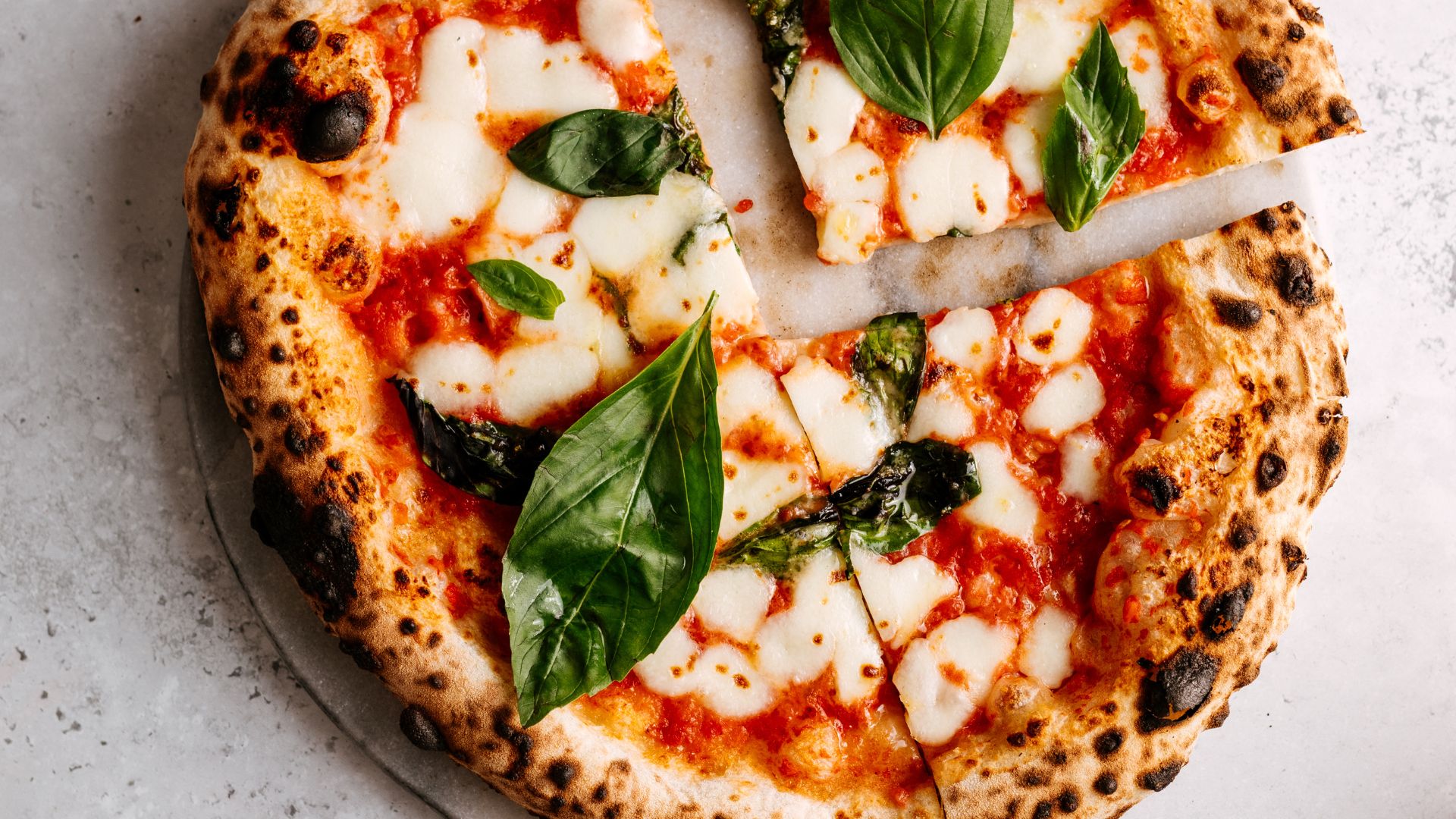
New York pizza is more than just a dish; it is an edible reflection of a city shaped by waves of immigration and diverse cultures. This pizza style embodies the blend of tradition and innovation born on the bustling streets where Italian heritage meets urban grit. The hand-tossed dough, the tangy tomato sauce, and the gooey mozzarella cheese come together in a way that speaks to generations of pizza makers who adapted their craft to fit the fast-paced life of New York City. Every slice carries the whispers of old-world Italian recipes, yet it’s been refined by the local environment and ingredients unique to the city.
The essence of New York pizza’s flavor lies in this fusion — a nod to the past but crafted for the present. The urban landscape where quick service and high-quality ingredients meet has created a pizza that is both comforting and exciting. It is this dynamic tension between honoring traditional techniques and embracing the evolving taste buds of a metropolitan population that gives New York pizza its unmistakable character. The experience of biting into a foldable slice, with its perfect balance of crispness and chewiness, is a sensory journey through the city’s ever-changing cultural mosaic.
The Art of Dough and the Science of Crispiness
The foundation of any great New York pizza begins with the dough, a seemingly simple element that holds the key to its iconic texture. Unlike many other styles, New York pizza dough boasts a unique balance of elasticity and crunch achieved through a specific flour blend and fermentation process. The slightly chewy, yet tender base is crafted to endure the fold — a hallmark of the New York slice. Achieving this balance requires precise attention to hydration, temperature, and kneading technique, creating a crust that is sturdy but not dense.
What elevates the dough further is the method of baking in high-temperature ovens, which creates the signature crisp edges contrasted with a softer center. This interplay of textures is what makes folding the slice so satisfying, allowing for a practical, handheld eating experience perfect for the city’s fast-moving lifestyle. The dough’s subtle flavor, with its faint yeast aroma and slight tang from fermentation, forms the canvas upon which every topping shines. This delicate art and scientific precision underpin the pizza’s enduring appeal.
Sauce Secrets that Ignite the Taste Buds
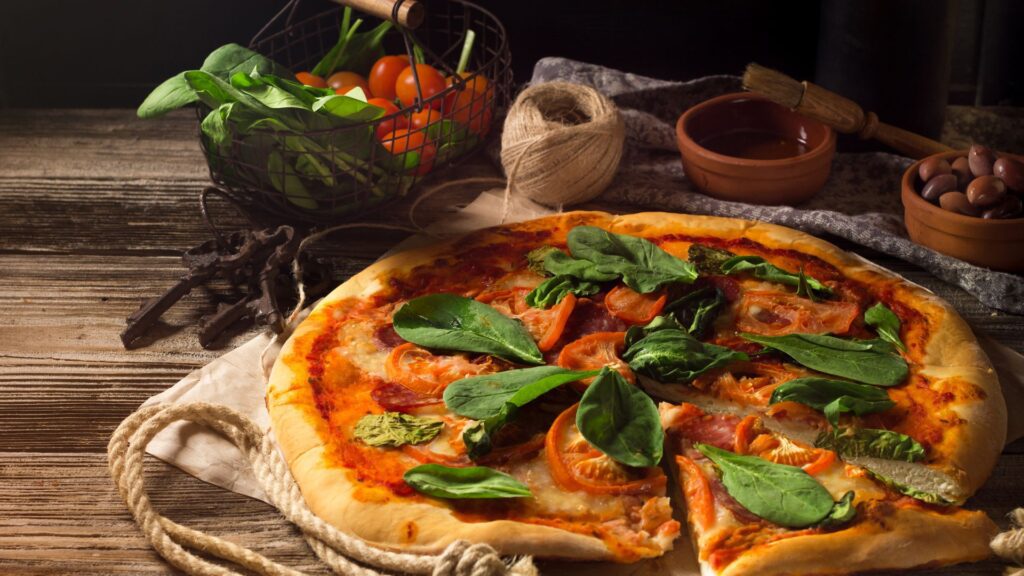
New York pizza sauce is far from ordinary. It is a carefully crafted blend of ripe tomatoes, aromatic herbs, and a hint of sweetness that adds depth without overpowering the other ingredients. The secret lies in selecting tomatoes that offer natural acidity balanced with a rich, fresh flavor. Blending in garlic, oregano, and basil in just the right proportions creates a sauce that bursts with complexity, acting as a vibrant counterpart to the mild mozzarella.
What makes the sauce truly special is the layering technique used during pizza assembly. A generous but measured spread ensures the sauce melds perfectly with the dough, soaking in just enough to flavor the crust without making it soggy. The slow simmering of the sauce before spreading helps concentrate its essence, enhancing the overall taste. This nuanced attention to sauce preparation is what elevates New York pizza from mere fast food to an artisanal experience that tickles the palate with every bite.
Cheese Choices That Define the Melt and Stretch
Mozzarella cheese is the hallmark of New York pizza, but the story behind the perfect melt and stretch goes beyond simply picking the most common variety. Traditionally, whole-milk mozzarella offers the best balance of moisture, flavor, and melting properties, lending that signature creamy texture and elastic pull. The cheese is often hand-shredded to ensure it melts uniformly, creating an inviting golden-brown blanket over the sauce.
However, subtle variations in cheese blends, sometimes including provolone or a sprinkle of parmesan, can add extra layers of flavor and texture to the pie. The choice of cheese affects how the slice behaves when folded, as too much moisture can weigh down the crust, while too little risks a dry, brittle bite. The cheese’s interaction with the sauce and dough is a delicate dance that, when done right, results in the classic stretchy, gooey goodness that New Yorkers crave. This thoughtful cheese selection and application process are critical to the pizza’s enduring legacy.
Neighborhood Influences That Shape Slice Styles
New York City is a sprawling metropolis, and the pizza styles found in its various boroughs each tell a different story. While the classic thin, foldable slice reigns supreme, the subtleties between neighborhoods like Brooklyn, Queens, and Manhattan reveal local preferences and cultural nuances. Brooklyn slices may lean towards heartier crusts with a slight char from coal-fired ovens, while Manhattan pizzerias might emphasize speed and consistency to cater to busy office crowds.
These neighborhood distinctions highlight the city’s mosaic of influences, where local ingredients and oven styles create variations within the larger New York pizza identity. This diversity enriches the overall pizza culture, offering something unique in every corner yet maintaining a shared respect for the fundamentals. The neighborhoods shape how pizza evolves in real time, with artisan shops and longtime establishments preserving traditions while introducing new twists to keep the urban flavor alive and kicking.
The Role of Ovens in Creating the Signature Finish
The oven is the unsung hero behind New York pizza’s signature finish, its role crucial in shaping the crust’s texture and the toppings’ flavor. Many pizzerias employ high-temperature gas or coal ovens, each contributing distinct characteristics. Coal ovens, once more common, impart a smoky, slightly charred flavor and blistered crust edges prized by pizza connoisseurs. Gas ovens, meanwhile, offer precise temperature control for consistent baking across all pies.
The intense heat rapidly cooks the dough’s exterior, locking in moisture and creating a crispy yet tender crust, while evenly melting the cheese and bubbling the sauce. The quick baking times are a necessity for serving the city’s fast-paced crowd but also a key element in preserving the fresh ingredients’ vibrancy. The oven’s heat and environment are finely tuned components in the pizza-making ritual, delivering the perfect slice experience that embodies New York’s culinary intensity and urban rhythm.
Toppings as Expressions of Personal and Urban Identity
Toppings on New York pizza often reflect both personal tastes and broader urban trends, turning each pie into a canvas of individual and community expression. While classic toppings like pepperoni, mushrooms, and onions remain beloved staples, the city’s adventurous food scene has introduced a wealth of creative combinations. From locally sourced vegetables to artisanal meats, the toppings tell stories of seasonal availability and cultural influences.
This diversity allows New Yorkers to customize their slices, balancing tradition with experimentation. The toppings don’t just add flavor; they mirror the city’s dynamic and ever-changing demographic landscape. Each bite becomes a connection to the mosaic of lives and histories that make up the urban fabric. The topping choices reveal the pizza’s role as a social and cultural touchstone — a way for people to celebrate identity through food while staying rooted in the classic New York style.
The Ritual of Eating and Sharing a Slice on the Streets
Eating a New York slice transcends simple nourishment; it is a ritual deeply embedded in the city’s daily life and social fabric. The act of folding the slice in half allows for easy handling while navigating the busy streets, turning a meal into a portable experience perfectly suited to urban living. This convenience and intimacy of eating pizza on the go is part of what makes it a beloved food for workers, tourists, and locals alike.
Sharing a slice or grabbing a quick bite from a corner pizzeria fosters a communal atmosphere, where food becomes a bridge across social divides. Whether standing outside a late-night joint or sitting in a crowded park, the experience of a New York pizza slice is tied to the city’s unique energy. It encourages connection, spontaneity, and enjoyment amid the hustle. This simple pleasure carries a cultural weight that underscores pizza’s role beyond taste — as an emblem of the city’s pulse.
Economic Impact of Pizza Culture on Local Communities
New York pizza’s legacy extends into the economic lifeblood of local neighborhoods, where pizzerias serve as both culinary landmarks and community anchors. These establishments generate jobs, support local suppliers, and attract food lovers, contributing significantly to the urban economy. The affordability and accessibility of pizza make it a staple that sustains diverse populations, from working-class families to college students.
Beyond the direct financial benefits, the vibrant pizza culture fuels tourism and neighborhood pride. Many pizzerias have become iconic spots drawing visitors eager to taste authentic slices and experience the city’s culinary heritage firsthand. This economic ripple effect reinforces the importance of maintaining traditional pizza-making skills and fostering innovation that respects the roots while engaging new markets. Pizza’s economic role highlights its integral place in the social and commercial ecosystem of the city.
The Ever-Evolving Future of New York Pizza Flavor
As New York continues to grow and change, so too does its pizza scene, evolving with new influences while staying true to its core identity. The future of New York pizza lies in a delicate balance between honoring time-tested recipes and embracing novel ingredients, cooking techniques, and sustainability practices. Artisanal and plant-based toppings are gaining popularity, reflecting broader food trends without sacrificing the pizza’s quintessential flavor.
Innovation happens alongside preservation, with chefs experimenting while respecting the foundations laid by generations before them. This dynamic interplay ensures New York pizza remains relevant and exciting, a living tradition that reflects the city’s diversity and resilience. The legacy of urban flavor continues to unfold, promising new chapters in a story that has delighted countless taste buds and will undoubtedly captivate future ones as well.
Conclusion
The rich tapestry of New York pizza tells a story far beyond its ingredients. It is a culinary icon forged in the fires of urban culture, immigrant traditions, and the relentless pace of city life. This pizza’s unmistakable flavor, texture, and communal significance create a legacy that transcends geography, embodying the spirit of the metropolis itself. It continues to evolve while remaining a constant source of comfort and identity for those who savor it.
For those in Scottsdale, Arizona, craving a slice infused with this same legacy, Night Owl Pizza & Drinks Scottsdale offers an authentic experience. Located at 1645 Hayden Rd, this spot brings the vibrant essence of New York pizza to the desert with the same dedication to quality and flavor. To explore their menu or place an order, call (480) 687-1827. This establishment continues the tradition of urban flavor, delivering a taste of New York’s pizza culture right in Scottsdale.