
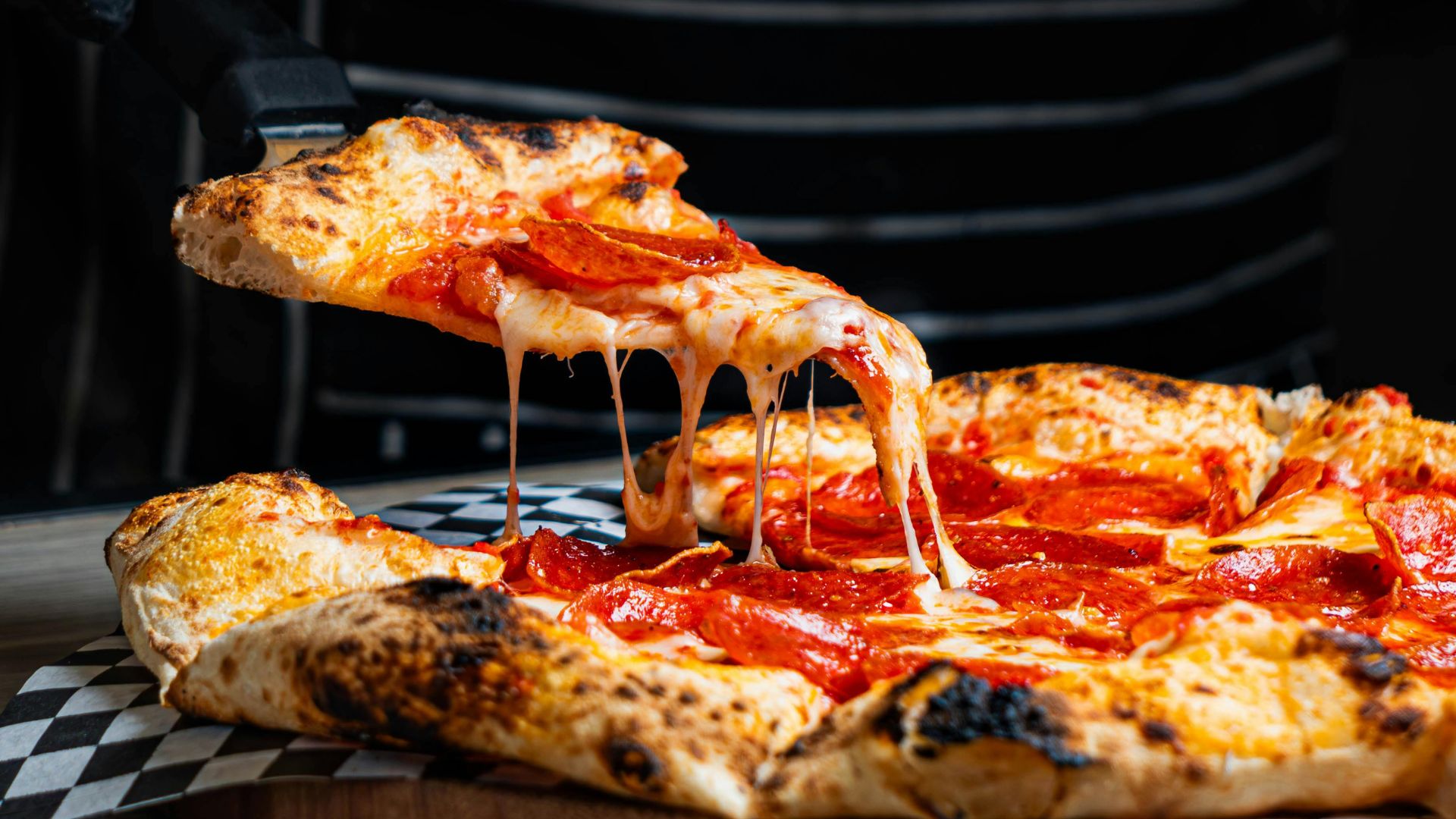
The Ever-Evolving Nature of New York Pizzas
New York pizzas have a rich history that goes beyond the familiar slices enjoyed by millions. Their evolution mirrors the city’s dynamic spirit, where different waves of immigrants brought fresh ideas and ingredients, enriching the pizza culture over time. The dough’s thin, crisp base paired with generous toppings showcases a balance of tradition and innovation. Each slice is a canvas, telling stories of diverse neighborhoods, flavors, and culinary creativity. It is not just about the ingredients but how they are combined to reflect a unique identity that continuously shifts while maintaining its core essence. The artistry lies in how the dough is hand-stretched and baked at high temperatures, creating that signature foldable slice cherished by locals and visitors alike.
This constant evolution allows New York pizzas to adapt while honoring the roots that made them famous. Whether enjoyed on a bustling street corner or inside a cozy pizzeria, the experience is both communal and personal. It is a cultural phenomenon where each bite connects you to decades of craftsmanship, community, and change. From classic margherita to inventive combinations, New York pizzas capture the city’s energy and diversity, inviting everyone to partake in its flavorful journey.
Regional Flavors Shaping the New York Pizza Scene
The diversity of New York pizzas is also reflected in the regional influences scattered across the city’s boroughs. Each area brings a distinct twist to the pizza, whether through ingredient choices, cooking methods, or topping styles. For instance, the Bronx is known for its robust, hearty pies loaded with rich tomato sauce and a thick blanket of cheese. Meanwhile, Brooklyn offers a variety of artisanal approaches, often featuring fresh, locally sourced ingredients and innovative flavor profiles that blend traditional Italian with contemporary twists. Manhattan pizzas tend to emphasize quick, grab-and-go options, perfect for the fast-paced lifestyle of the city.
This regional tapestry adds depth and dimension to New York’s pizza culture, making it a landscape where culinary experimentation thrives. It is a reflection of the city’s melting pot, where each neighborhood’s unique history and demographic make an impact on how pizzas are crafted and enjoyed. These localized styles don’t exist in isolation but rather engage in an ongoing dialogue, inspiring new interpretations and hybrid creations. This continuous blending and borrowing contribute to the rich mosaic that defines New York pizzas.
The Role of Ingredients in Defining Authenticity
Ingredients play a critical role in shaping the authenticity and flavor of New York pizzas. The dough, typically made with high-gluten flour, water, salt, and yeast, forms the foundation of the pizza’s characteristic thin yet chewy texture. The water’s mineral content in New York has often been credited with giving the dough its unique elasticity and flavor. Tomato sauce, usually crafted from ripe, juicy tomatoes with a blend of herbs, adds a tangy depth, while the mozzarella cheese’s quality ensures the perfect melt and stretch. Each ingredient is chosen with care to create harmony in every bite.
But authenticity doesn’t stop at the basics. New York pizza makers often incorporate subtle variations, such as different herbs or cheeses, to give their pies a signature touch. The balance of these ingredients reflects a commitment to tradition, yet the willingness to adapt makes each pizza a unique expression of the chef’s vision. The interplay between quality ingredients and skilled preparation captures the essence of New York’s pizza culture — where respect for heritage meets the desire to innovate.
The Art of Toppings: Beyond Pepperoni and Cheese
While the classic pepperoni and cheese combination remains a staple, New York pizzas also explore an impressive variety of toppings that highlight the city’s culinary diversity. From fresh vegetables and exotic mushrooms to smoked meats and artisanal cheeses, toppings provide a playground for creativity. Each choice influences the texture, flavor, and overall experience, making toppings a vital element in the pizza’s story. The art lies in balancing bold and subtle flavors, ensuring that every ingredient complements the others without overpowering the core elements.
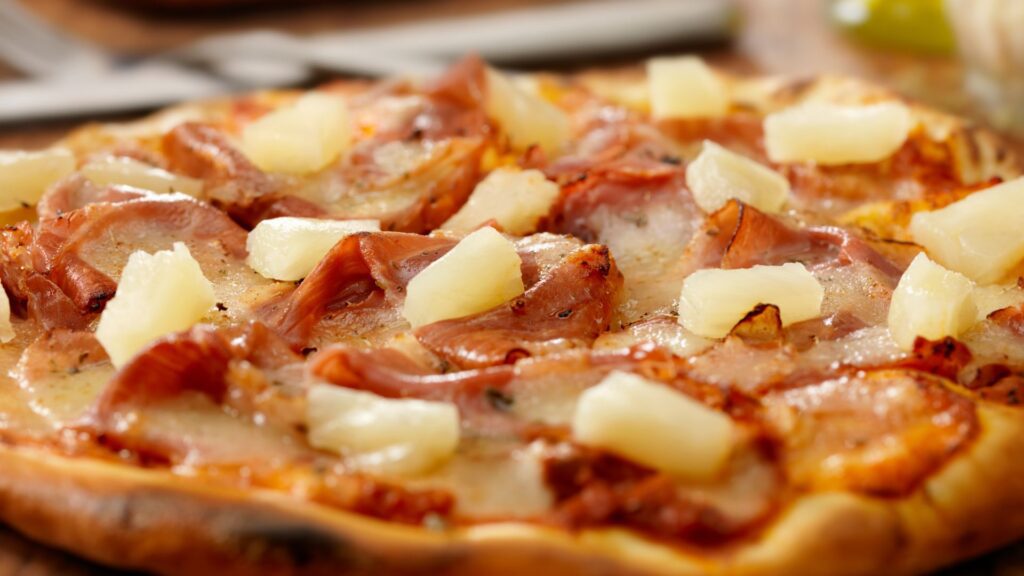
This freedom in toppings allows for endless customization, appealing to a wide range of palates and dietary preferences. The city’s melting pot status encourages the infusion of ethnic ingredients, such as spicy chorizo, tangy feta, or even sweet pineapple, showing that New York pizzas are not bound by convention. The dynamic topping options invite pizza lovers to explore new taste sensations while appreciating the foundation of a well-crafted pie.
Craftsmanship and Technique Behind New York Pizzas
Crafting an exceptional New York pizza is as much about technique as it is about ingredients. The process begins with hand-stretching the dough to achieve the perfect thinness while maintaining elasticity. This technique requires skill and experience to prevent tearing while allowing for an airy crust. Baking follows in a high-temperature oven, often gas-fired, which quickly crisps the edges and cooks the toppings to perfection. Timing and temperature control are crucial, as they directly affect the crust’s texture and the cheese’s melt.
Beyond the oven, the arrangement of toppings requires careful attention to ensure even cooking and optimal flavor blending. The pizza maker’s hands are guided by years of practice and intuition, understanding the dough’s responsiveness and how heat will transform the ingredients. This craftsmanship not only produces a delicious pizza but also preserves the tradition of New York’s culinary artisans, who pass down their knowledge and passion through generations.
The Social Experience Embedded in New York Pizza Culture
Pizza in New York is more than just food; it is a social experience that brings people together. The fast pace of city life makes grabbing a slice a convenient yet communal act. Pizza shops often serve as neighborhood hubs, where friends, families, and strangers alike gather to share moments, stories, and laughter. The informal nature of enjoying pizza — whether standing at a counter or sitting in a bustling joint — fosters a sense of belonging and community.
This social aspect adds to the pizza’s allure, making it an integral part of New Yorkers’ daily rhythms. Sharing a slice can be a break from a hectic day or a celebration of simple pleasures. The cultural significance of pizza as a connector reflects the city’s inclusive spirit, where diverse backgrounds come together over a shared love for a delicious and accessible meal. This social fabric enriches the identity of New York pizzas far beyond their culinary appeal.
The Influence of Immigration on Pizza Diversity
New York’s pizza culture is deeply intertwined with its history of immigration. The city welcomed waves of Italian immigrants in the early 20th century, who introduced their pizza-making traditions and recipes. However, as generations passed, the pizza evolved, absorbing influences from other immigrant communities that settled in the city. This blending of cultures has led to the vibrant diversity seen in toppings, preparation styles, and even the pizza’s role in local food culture.
The continuous influx of ideas and tastes from different cultures fuels innovation, keeping New York pizzas fresh and exciting. From the addition of Middle Eastern spices to Asian-inspired toppings, the city’s pizzas tell stories of adaptation and fusion. This melting pot effect ensures that New York pizzas remain a dynamic reflection of the city’s ever-changing demographic landscape, inviting new flavors while honoring the origins that shaped them.
The Rise of Artisanal and Gourmet Pizzas
In recent years, there has been a noticeable rise in artisanal and gourmet pizzas within the New York pizza scene. These creations emphasize premium ingredients, creative flavor combinations, and meticulous craftsmanship. Artisanal pizzas often feature locally sourced produce, house-made sauces, and specialty cheeses, elevating the humble slice into a culinary experience. This trend reflects a growing appreciation for quality and sustainability among consumers who seek both authenticity and novelty.
Gourmet pizzas also challenge traditional norms by introducing unexpected toppings and innovative baking techniques. These pizzas invite diners to explore new taste profiles while respecting the base principles of New York pizza style. This evolution highlights the city’s capacity to adapt its culinary heritage, blending the old with the new and satisfying the sophisticated palates of a diverse population eager for bold and refined flavors.
The Role of Pizza in New York’s Nightlife and Late-Night Culture
New York’s vibrant nightlife has played a significant role in shaping the city’s pizza culture. Late-night pizza joints cater to partygoers, shift workers, and night owls looking for a satisfying meal after hours. These establishments often operate well into the early morning, serving slices that provide comfort and energy during the city’s nocturnal hours. The availability of pizza at all hours underscores its role as a staple in New Yorkers’ lives, transcending meals and becoming a reliable companion for late-night adventures.
This late-night culture has influenced the way pizzas are made and served, emphasizing speed, convenience, and consistent quality. The atmosphere in these venues often buzzes with energy, reflecting the city’s 24/7 rhythm. Whether it’s a quick slice on the go or a sit-down experience with friends, late-night pizza culture adds a unique layer to the overall New York pizza identity, blending culinary tradition with the city’s relentless pulse.
The Impact of Technology on New York Pizza Delivery and Ordering
Technology has revolutionized how New York pizzas reach hungry customers, reshaping the delivery and ordering landscape. The rise of online platforms and mobile apps has made ordering pizza faster and more accessible than ever before. Customers can customize their orders, track deliveries in real-time, and explore a wide range of options from their favorite pizzerias with just a few taps. This convenience complements the city’s fast-paced lifestyle, allowing pizza to remain a go-to food choice.
Beyond convenience, technology has also enabled pizzerias to reach new audiences and streamline operations. Digital menus, contactless payments, and efficient delivery logistics contribute to a smoother customer experience. These advancements enhance the traditional pizza experience, blending innovation with the timeless appeal of New York’s iconic slices. Technology continues to influence how the city enjoys its pizza culture, ensuring it stays relevant and accessible in a modern world.
Conclusion
The rich diversity within New York pizzas culture reflects the city’s vibrant and ever-changing nature. Each slice tells a story of tradition and innovation, regional influences, and the creative spirit of its makers. This cultural tapestry is shaped by history, immigration, social connections, and evolving tastes, making New York pizzas more than just a meal — they are a living expression of the city itself. From the bustling streets to late-night corners, pizza remains a beloved symbol of unity and flavor.
For those in Scottsdale, AZ, the spirit of New York pizza culture comes alive at Night Owl Pizza & Drinks Scottsdale. Located at 1645 Hayden Rd, this local favorite brings authentic slices inspired by the city’s rich heritage. For inquiries or orders, call (480) 687-1827 or email info@nightowlaz.com. Whether craving classic or inventive pies, this establishment captures the essence of New York’s diverse pizza world with every bite.