

A pizza’s journey begins with dough—a seemingly simple mixture that holds the entire experience together. Each batch begins with carefully measured flour, water, yeast, and salt, but the magic happens in the hands that knead it. The process requires patience and skill, coaxing the dough to the perfect texture—elastic yet firm, ready to stretch without tearing. The dough must rest, allowing yeast to work its transformative power, developing subtle flavors and airy pockets that give the crust its signature lightness. This stage is where tradition meets technique, shaping the foundation for every slice to come.
The dough’s texture and rise determine how the crust will respond to heat, whether it will be crisp on the outside and tender inside or boast a chewy bite that lingers. The temperature of the oven and baking duration further influence the final crust, transforming raw dough into a golden canvas. This initial transformation, from raw ingredients to pliable dough, is where the journey from oven to table truly begins, setting the stage for the flavors and textures that follow.
Sauce Making: A Symphony of Flavors
Sauce is the heartbeat of any pizza, a rich blend that adds depth and moisture while complementing the toppings. It’s far from just tomato sauce; it’s a carefully curated composition of vine-ripened tomatoes, herbs, and spices, simmered until thick and bursting with flavor. The process can vary—some sauces embrace simplicity, using just fresh basil, garlic, and olive oil, while others layer complexity with roasted garlic, oregano, or even a splash of balsamic. The secret lies in balancing acidity, sweetness, and seasoning, creating a sauce that enhances without overpowering.
Sauce application also plays a crucial role, spreading evenly across the dough to provide a uniform taste. Too much sauce can weigh down the crust, while too little leaves slices dry and flat. The right amount creates harmony, marrying each bite with the perfect blend of moisture and tang. This stage turns a blank dough into a flavorful base, preparing it for the artful assembly of toppings that define every pizza’s personality.
Cheese Choices That Elevate Every Slice
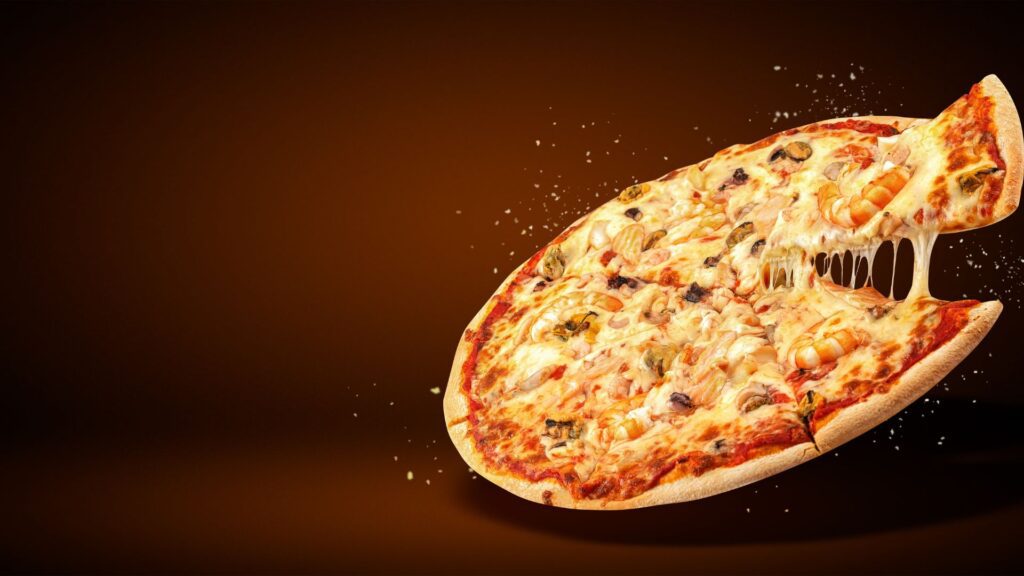
Cheese is more than a topping—it’s the melty, stretchy bridge that connects all flavors on a pizza slice. The selection ranges from the classic mozzarella to bold blends that introduce layers of complexity. Fresh mozzarella offers a creamy, milky softness that melts smoothly and browns beautifully, while aged varieties add sharper, nuttier notes. Blends including provolone, fontina, or even gouda can elevate the profile, lending creaminess or a subtle smokiness that surprises the palate.
The cheese’s melting properties are as important as its flavor. When heated, it must bubble without releasing too much oil or becoming greasy, coating the sauce and crust in a luscious, golden layer. The choice of cheese impacts not just taste, but texture and appearance, influencing how the slice pulls apart and how it feels with every bite. Cheese is where indulgence meets art, turning a simple pizza into a sensory experience.
The Role of Toppings in Creating Balance
Toppings are where creativity shines, transforming the humble pizza into a canvas of endless possibilities. From traditional pepperoni to inventive vegetables or specialty meats, toppings provide texture, color, and flavor contrasts. They bring freshness, spice, sweetness, or savory notes, each bite offering a new sensation. The arrangement matters, too—proper distribution ensures every slice is a balanced bite, avoiding the disappointment of topping overload or barren sections.
The choice of toppings also responds to seasons and local availability, encouraging experimentation with fresh ingredients that elevate the overall pizza experience. Whether it’s a sprinkle of fresh basil, caramelized onions, or roasted peppers, toppings add dimension and interest. Their quality and preparation, from thin slicing to proper seasoning, define whether a slice excites or falls flat. The harmony among sauce, cheese, and toppings is what creates a pizza that invites savoring.
Oven Temperature and Baking Times Unveiled
The journey from dough to a finished pizza hinges on heat and time. Oven temperature governs how crust crisps, cheese melts, and toppings cook. Traditional pizza ovens reach scorching highs that create rapid baking, resulting in a blistered crust with airy pockets inside. Home ovens require adjustments but can still deliver excellent results with precise timing and temperature control.
Baking time must be just right—too long and crusts burn or toppings dry; too short and dough remains raw or cheese is undercooked. Achieving this balance demands attention to detail and experience. The oven transforms all ingredients, turning dough into golden crust, sauce into rich moisture, and toppings into tender delights. The moment pizza emerges from the oven marks a transformation that is both physical and sensory, unlocking aromas and textures that awaken appetite and anticipation.
The Slice: A Culinary Experience in Every Piece
Pizza is meant to be shared, and slices offer the perfect way to savor variety and flavor without commitment to a whole pie. Each slice is a miniature version of the journey, showcasing a balance of crust, sauce, cheese, and toppings that tell a story in a hand-held format. The way a slice folds and how the cheese pulls apart can elevate the eating experience, turning it into a tactile joy.
The size, shape, and thickness of the slice also influence satisfaction. Thin slices provide a crisp bite and highlight topping quality, while thicker slices offer indulgence with chewy, doughy textures. Eating a slice is a multisensory ritual—the warmth, aroma, and taste combine to create a moment that connects people across cultures. The slice becomes more than food; it’s an expression of shared enjoyment and culinary craftsmanship.
Delivery’s Impact on Pizza Quality
The pizza’s journey does not end when it leaves the oven. Delivery introduces new challenges in preserving temperature, texture, and flavor as the pie travels to the table. Packaging plays a crucial role, designed to keep crust crisp and toppings intact while preventing condensation that leads to sogginess. Timeliness is key—fresh pizza loses its magic when delayed, with cheese cooling and crust softening.
Technological improvements, from insulated bags to delivery logistics, have enhanced how pizza arrives at doorsteps. Yet, every step in transit tests the resilience of a well-made pizza. The goal is to replicate the oven-fresh experience, ensuring that each slice remains satisfying and flavors vibrant. The delivery phase is a delicate dance between speed and preservation, holding the promise of the oven’s creation until it reaches the final bite.
The Cultural Significance of Pizza Sharing
Pizza transcends its ingredients, symbolizing community and celebration. Sharing a pizza brings people together, whether during casual gatherings, family dinners, or late-night hangouts. It embodies inclusivity—everyone can find a favorite slice or try a new combination without formality or fuss. The slice’s communal nature fosters connection, conversation, and comfort.
Across different cultures, pizza adapts and evolves, reflecting local tastes and traditions. This fluidity highlights pizza’s universal appeal, a dish that is both familiar and endlessly reinvented. Sharing pizza becomes a ritual, a shared experience that nourishes not just the body but relationships. It underscores the journey from oven to table as one of unity and enjoyment, making pizza more than food—it’s a social connector.
Innovations in Pizza Presentation and Serving
Presentation elevates pizza beyond simple sustenance, turning it into an aesthetic delight. Chefs and pizzerias experiment with plating styles, garnishes, and slice shapes to create visually compelling dishes. From rustic wooden boards to sleek metal trays, the serving style complements the pizza’s character, enhancing the dining experience.
Creative toppings arrangements, drizzles of sauce or oil, and fresh herbs added post-bake invite anticipation. Serving temperature is also crucial, with some pizzas enjoyed piping hot while others invite brief cooling to reveal nuanced flavors. These innovations transform the act of eating pizza into an event, encouraging savoring and appreciation. The journey from oven to table culminates in a beautifully presented dish that excites the senses.
Pairing Drinks to Complement Pizza Flavors
Pizza’s rich, savory flavors find perfect companions in thoughtfully selected beverages. From sparkling sodas to craft beers and fine wines, drinks elevate the meal, balancing richness and enhancing taste profiles. Light, crisp beverages cut through cheese’s creaminess, while robust ales complement bold toppings like spicy sausage or smoky bacon.
Non-alcoholic options like herbal iced teas or sparkling waters refresh the palate, allowing the pizza’s flavors to shine. The right pairing enhances the overall experience, making each bite feel complete and intentional. This thoughtful harmony between pizza and drink underscores the journey from oven to table as a full sensory celebration, inviting diners to savor every moment.
Conclusion
The journey of pizza from oven to table is a complex, layered process that transforms simple ingredients into a beloved culinary experience. Each stage—crafting dough, preparing sauce, selecting cheese and toppings, baking, slicing, delivering, and serving—is essential in creating slices that delight and satisfy. This journey celebrates the skill, tradition, and creativity behind every pizza enjoyed.
For those in Scottsdale, AZ, an exceptional pizza experience awaits at Night Owl Pizza & Drinks Scottsdale. Located at 1645 Hayden Rd, this spot blends quality and care in every pie, inviting locals to savor hand-crafted slices. To order or inquire, call (480) 687-1827 or email info@nightowlaz.com, and discover how pizza’s journey unfolds into delicious moments shared around the table.