
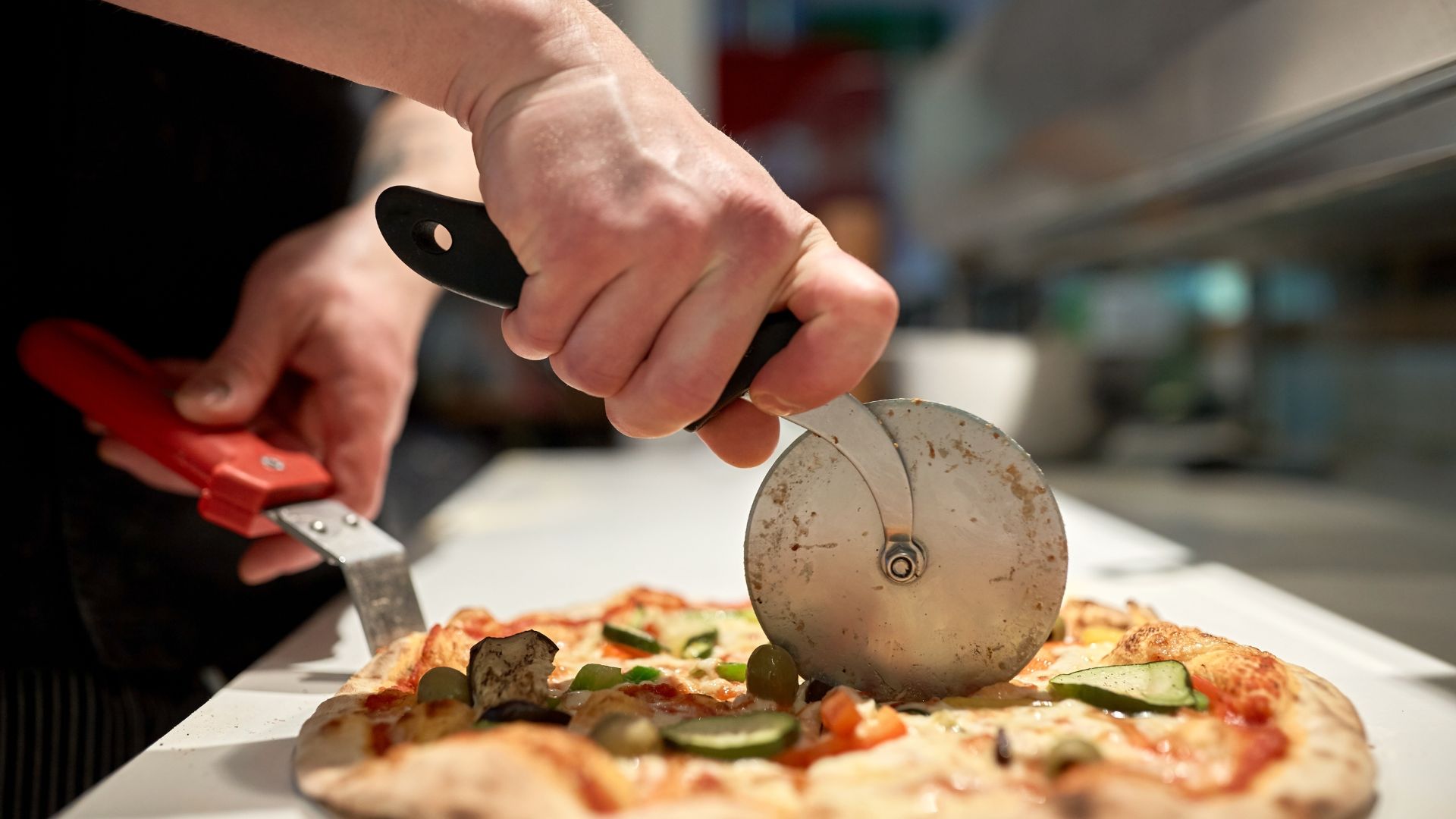
Long before pizza became the iconic dish it is today, its origins trace back to ancient civilizations where flatbreads were a staple. These early versions were simple, often baked on hot stones or embers and topped with available ingredients like herbs, oils, and sometimes cheese. Cultures such as the Egyptians, Greeks, and Romans enjoyed variations of flatbread, laying the foundational ideas that would eventually evolve into pizza. These early forms served as practical, portable meals that were easy to prepare and share, embodying communal dining in its earliest sense.
The progression from flatbread to what we now recognize as pizza was a gradual process influenced by geography and cultural exchanges. In the Mediterranean basin, toppings began to diversify, incorporating ingredients like olives, garlic, and fermented cheeses. These early iterations were often informal and localized, not yet carrying the identity of a singular dish but rather a method of enhancing bread. This humble beginning connects deeply to the essence of modern pizza: a canvas for creativity and sharing.
Naples and the Birth of Modern Pizza Traditions
The city of Naples holds a special place in pizza history, often credited as the birthplace of the modern pizza we cherish today. In the 18th and 19th centuries, Naples was a bustling urban center where the working class demanded quick, affordable, and filling meals. Street vendors responded by crafting pizzas topped with simple ingredients such as tomatoes, mozzarella, and basil—ingredients native to the region and accessible to the common people. This combination would eventually become the famed Margherita pizza, symbolizing both culinary simplicity and national pride.
Naples’ pizza was unique not only in its toppings but also in its preparation. Baked in wood-fired ovens, pizzas developed a distinctive char and flavor profile that set them apart. The Neapolitan pizza’s thin crust and fresh, high-quality ingredients established a culinary tradition that still influences pizza makers worldwide. This era marked a turning point, as pizza began transitioning from a local staple to a culinary icon, spreading beyond Naples to captivate the palates of many.
The Influence of Italian Immigrants on Pizza’s Global Spread
As Italian immigrants traveled to new lands, particularly in the Americas, they carried their culinary heritage with them. Pizza was among the cherished foods brought across the ocean, serving as a comforting reminder of home. In cities like New York and Chicago, Italian neighborhoods quickly adapted pizza to local tastes and available ingredients, leading to new styles and interpretations that helped popularize pizza beyond its original confines.
The immigrant influence was critical in transforming pizza from a regional specialty into a worldwide phenomenon. Establishments serving pizza began to flourish, often starting as small family-run shops. These pioneers adapted recipes to suit a broader audience, blending traditional techniques with new innovations. This fusion created an array of pizza varieties that resonated with diverse communities, ultimately embedding pizza into global food culture.
The Rise of Pizza by the Slice as Urban Convenience
One of the key developments in pizza culture was the rise of pizza by the slice, especially in fast-paced urban environments. This convenient format made pizza more accessible for busy individuals seeking quick and satisfying meals without the need for a full pie. The slice’s portability and affordability transformed how people interacted with pizza, making it a go-to option for lunch breaks, late-night cravings, and casual social gatherings.
This concept thrived in cities where time and mobility are crucial, adapting pizza consumption to fit the rhythms of urban life. The individual slice not only provided a practical solution but also allowed customers to sample different flavors without commitment. This accessibility reinforced pizza’s role as a communal and adaptable dish, capable of meeting diverse needs while maintaining its delicious appeal.
Regional Variations and Their Impact on Pizza Slicing Styles
Pizza’s journey across continents sparked a multitude of regional variations, each bringing unique approaches to slicing and serving. For instance, New York’s large, foldable slices emphasize portability, while Chicago’s deep-dish style demands knife and fork, reflecting a more leisurely dining experience. West Coast innovations often showcase gourmet toppings and artisanal techniques, blending tradition with modern culinary trends.
These regional differences highlight how pizza slicing adapts to cultural preferences and eating habits. The way pizza is cut and presented can shape the overall experience, affecting texture, flavor distribution, and even social interaction. Exploring these variations reveals the rich tapestry of pizza culture and how something as simple as a slice can carry layers of meaning and history.
The Art and Science Behind Pizza Dough and Crust
The foundation of any great pizza slice lies in the dough and crust, where art meets science. Crafting the perfect dough requires attention to ingredient quality, fermentation time, and kneading technique, all contributing to texture and flavor. Different styles call for different crusts—thin and crispy, chewy and airy, or thick and hearty—each offering a unique canvas for toppings and baking methods.
Understanding dough behavior is essential for achieving balance in every slice. The crust must support toppings without overpowering them, providing the right mouthfeel and structural integrity. Bakers often experiment with hydration levels, flour types, and rising times to tailor the crust’s characteristics, elevating the pizza experience through subtle but impactful details.
Toppings Evolution and Their Role in Slice Popularity
Toppings have always been at the heart of pizza’s versatility, evolving alongside cultural tastes and ingredient availability. Classic toppings like tomato, mozzarella, and basil remain timeless, yet innovations continuously expand the possibilities. From exotic vegetables and artisanal cheeses to cured meats and unconventional sauces, toppings shape the identity of each pizza and influence its popularity.
The choice of toppings also affects how slices are enjoyed. Some combinations melt together, creating harmonious flavor blends, while others offer contrasting textures and tastes that excite the palate. This dynamic has turned pizza into a customizable culinary adventure, where every slice tells a different story and invites personal expression.
The Influence of Baking Techniques on Slice Texture and Flavor
Baking methods profoundly impact the final character of a pizza slice. Traditional wood-fired ovens impart smoky notes and a distinct char, while electric and gas ovens offer consistent heat control. Techniques such as stone baking or conveyor ovens each yield unique crust textures and flavor profiles, influencing the eating experience.
The heat source, temperature, and baking duration affect how toppings meld with the crust and how moisture is retained or evaporated. Achieving the right balance ensures a slice that is crispy on the edges yet tender inside, with toppings cooked to perfection. These technical nuances elevate pizza from simple fast food to an artful culinary craft.
Pizza’s Role in Social and Cultural Traditions Worldwide
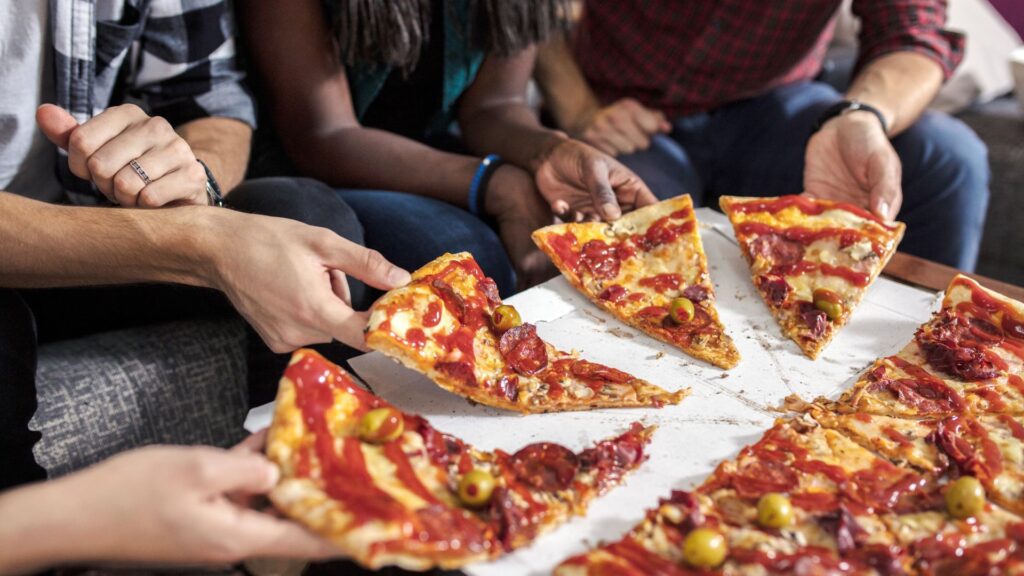
Beyond its culinary attributes, pizza plays a significant role in social and cultural gatherings. Whether shared among family, friends, or strangers, pizza embodies connection and celebration. From casual get-togethers to festive occasions, pizza’s informal nature encourages sharing and community, making it a universal symbol of togetherness.
Different cultures have embraced pizza in ways that reflect their own traditions, incorporating local customs and ingredients. This adaptability ensures pizza remains relevant and beloved across generations and geographies. Its ability to bring people together over a shared meal highlights pizza’s unique place in human experience.
The Digital Age and the Evolution of Pizza Ordering and Delivery
The rise of digital technology has revolutionized how people access and enjoy pizza. Online ordering platforms and delivery services have made it easier than ever to satisfy cravings with just a few taps. This shift has expanded pizza’s reach, enabling it to become a staple of convenience without sacrificing quality.
Advancements in packaging and delivery techniques ensure that slices arrive hot and fresh, preserving their texture and flavor. The integration of technology also allows for customization and personalized experiences, further enhancing pizza’s appeal in modern life. This evolution continues to shape how pizza is enjoyed today and into the future.
Conclusion
Tracing the journey of pizza from ancient flatbreads to the beloved slices savored worldwide reveals a rich history filled with cultural exchange and culinary innovation. Each stage in its evolution contributes layers of flavor and tradition, making every slice a reflection of both heritage and creativity. The convenience of pizza by the slice and the diversity of styles demonstrate how this dish has seamlessly adapted to changing lifestyles and tastes over centuries.
For those in Scottsdale, a local establishment invites pizza lovers to experience this history firsthand. Night Owl Pizza & Drinks Scottsdale offers a welcoming space where authentic flavors and modern twists come together. Located at 1645 Hayden Rd, Scottsdale, AZ 85257, they can be reached at (480) 687-1827 for orders and inquiries. Whether craving a classic slice or exploring new combinations, this destination embodies the enduring spirit of pizza, blending tradition with the vibrant energy of today’s culinary scene.