
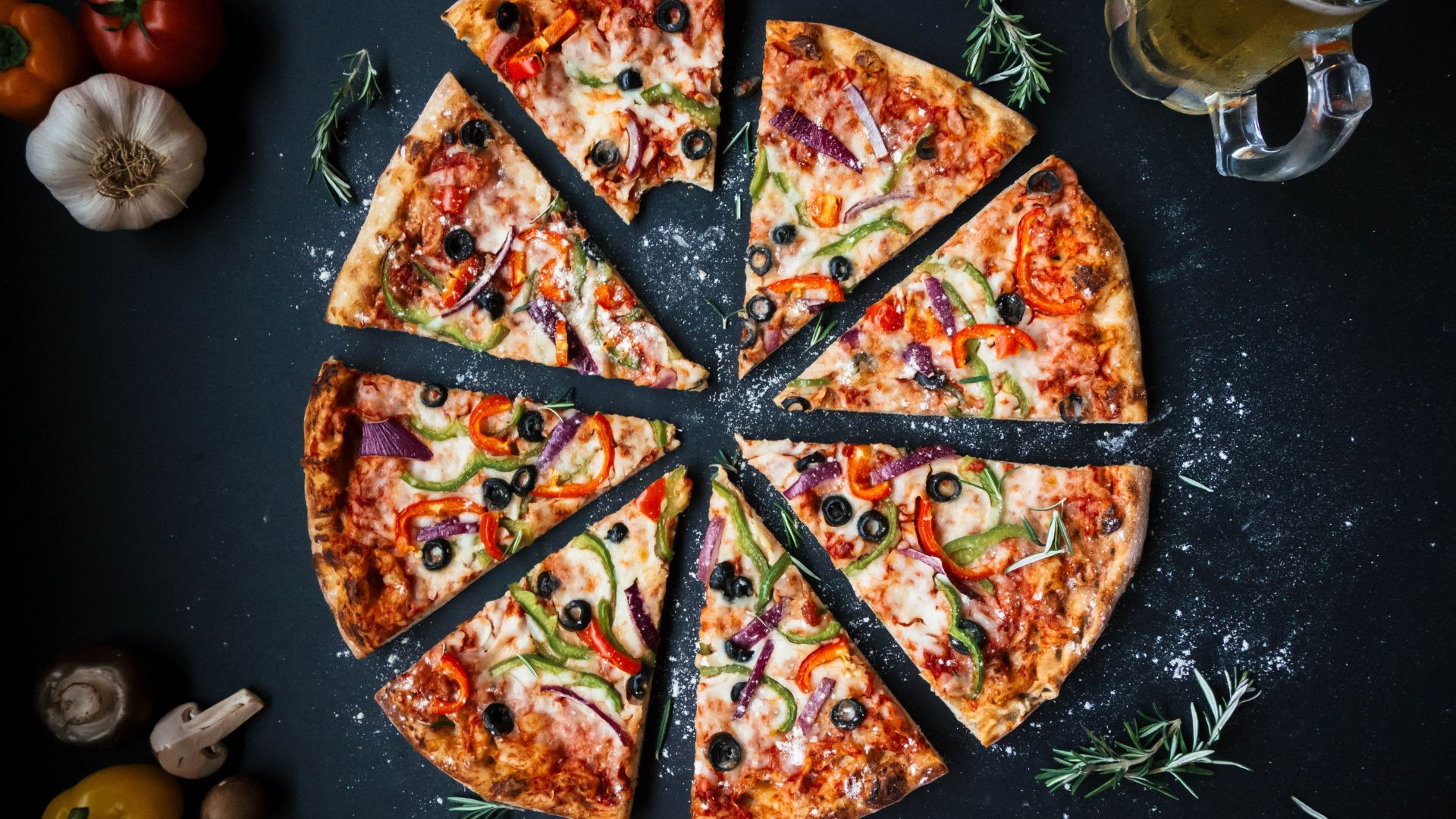
A crispy pizza slice rarely appears by accident. It comes from dough that feels almost alive under the fingertips with just enough elasticity to resist and yet welcome movement. Bakers often talk about dough as though it has moods and when handled with intention it responds in ways that change the final bite. Temperature shifts time adjustments and even the smallest change in hydration can nudge a crust from soft to crackling. The beauty of achieving crispiness begins long before the oven. It starts at the mixing bowl where the first stir wakes up the ingredients and begins the journey toward something that will later hold toppings with subtle confidence.
When that dough finally rests it transforms quietly. Fermentation expands its depth creating air pockets that eventually become those golden bubbles along the edge. These bubbles crisp not by force but by the natural chemistry that develops in the background. Once heat enters the story everything changes quickly. High heat encourages the outside to stiffen while the inner layers stay tender. The moment you bite into a slice with a crust that carries a gentle shatter you are tasting hours of deliberate preparation. Nothing about a crispy crust is accidental. It is a slow dance of timing intuition and respect for the dough’s personality.
Heat Levels That Shape Texture Without Overwhelming Flavor
High heat forms the foundation of a truly crisp crust but not all heat behaves the same way. The oven must reach a level that urges moisture to evaporate rapidly leaving behind a structure that feels firm on the outside but balanced within. When the temperature is too low the dough falters becoming soft and underdeveloped. When it rises too high for too long the crust can turn harsh losing that gentle crunch that gives the slice its charm. A carefully chosen temperature allows the crust to brown gradually while building the familiar crackling effect that people chase from their first slice to their last.
The placement of the dough inside the oven also shapes its character. Some ovens produce concentrated heat near the base which intensifies the crispiness at the bottom while others distribute heat upward encouraging the edges to caramelize first. Bakers learn how their ovens behave almost like learning a personality. Over time they adjust placements durations and rotations until the crust shifts into its ideal form. Under the right heat the dough rises with energy then settles into something memorable. Crispiness achieved through heat alone is not enough though. The heat must serve the flavor without burning away the subtle notes hidden inside the dough.

Hydration Levels That Decide Whether the Crust Snaps or Softens
Hydration is a quiet but powerful force in determining crust texture. Too little water and the dough becomes stiff refusing to stretch fully which leads to cracking instead of crisping. Too much water and the crust softens limp beneath toppings that weigh it down. A balanced hydration level promotes an airy interior with enough structure to form a crisp exterior. The dough must hold moisture just long enough to expand during baking and then release it at precisely the right moment to create that sought after snap. Bakers often adjust hydration based on humidity season and even the feel of the flour on a particular day.
When hydration harmonizes the dough responds in beautiful ways. Steam forms from within during baking pushing outward gently until the crust puffs and sets. This steam leaves behind hollow spaces that give the crust its lightness while the outer surface dries just enough to create crispness. A well hydrated dough feels soft but not sticky pliable but not loose. It behaves differently depending on the hands shaping it. Hydration plays a part in how the crust cools as well. A crust with perfect hydration retains its crispness longer resisting the tendency to soften beneath toppings or moisture in the air. Every great slice owes part of its success to the water that was measured with intention.
Fermentation and Flavor Development That Strengthen Crispiness
Fermentation gives the crust its personality expanding it with flavor and texture that cannot be replicated through shortcuts. As the dough rests natural yeast activity creates pockets and tunnels that later become the foundation for crispness. A rushed fermentation produces a crust that feels flat both in taste and structure. The longer slower method builds depth ensuring that the crust not only crisps but also carries a quiet richness beneath the crunch. As gases form they lighten the dough making it easier for heat to circulate through the layers once baking begins.
These fermentation patterns matter. They dictate how the crust blisters how it browns and how the air escapes when pressure builds inside the oven. When the dough has fermented properly you can see the difference immediately. It rolls out more smoothly springs back with gentle resistance and bakes to a consistency that feels layered yet cohesive. Fermentation affects crispiness because it influences how moisture escapes. Well fermented dough releases moisture in a controlled rhythm preventing sogginess. From the first bite the crust tells the story of how it waited patiently developing its character long before it ever reached the oven.
Toppings and Their Impact on Crust Structure and Crisp Effect
The toppings chosen for a slice can either elevate or diminish crispiness. Heavier toppings release moisture that seeps into the dough and interferes with the crusts ability to stay firm. Lighter toppings allow more air circulation letting the crust maintain its structure while still contributing flavor. Fresh vegetables for instance carry water that responds differently to heat compared to cured ingredients. Each topping creates its own environment on the surface of the dough which affects how the crust cooks beneath it. The way toppings are arranged also matters because uneven placement can cause slight dips in texture.
Cheese choice influences moisture as well. Some cheeses melt quickly and release oils that help crisp the bottom while others melt slowly creating a soft layer that retains heat. The balance of toppings and the order in which they are added changes how the crust forms its crisp edges. A thoughtful selection leads to a slice that maintains crispness even after cooling slightly. It becomes clear that toppings are not just flavor choices. They shape how the crust responds to heat and time. A crust that remains crisp despite sauces and toppings reflects an intentional relationship between ingredients.
The Power of Proper Dough Handling From Start to Finish
Handling the dough gently yet purposefully plays a major role in the final crispness. Overworking the dough tightens the gluten too much which limits the rise and reduces the formation of those airy sections that crisp beautifully. Underworking however can lead to uneven structure and weak spots that collapse under heat. Handling becomes a delicate ritual that requires paying attention to how the dough stretches how it feels beneath the palms and how it responds to small adjustments. Bakers learn to trust the natural elasticity of the dough letting it guide where to stretch and where to let it rest.
Rest times in between shaping give the gluten a chance to relax allowing the dough to spread without tearing. This relaxation affects thickness which in turn affects crispiness. A dough that has been shaped with care bakes evenly encouraging the crust to crisp in a balanced way. Even the act of transferring the dough to a baking surface can influence its texture. Too much pressure can deflate air pockets. Too little control can make it stretch unevenly. Every movement contributes to how the crust finishes. Crispiness begins with touch long before the oven introduces heat.
Baking Surfaces That Influence Bottom Crust Crispiness
The surface on which the pizza bakes can dramatically change the crisp outcome. Stone surfaces absorb heat deeply delivering strong bottom heat that encourages crispness. Steel surfaces push that effect even further creating an environment where the crust begins to crisp almost instantly upon contact. Some bakers use perforated pans which allow air circulation directly beneath the dough reducing moisture buildup. Each surface behaves differently and choosing the right one becomes part of the craft of creating a crisp base. The surface must hold enough heat to set the bottom quickly but not scorch it.
When the dough meets a properly heated surface the transformation begins. The bottom browns rapidly forming a layer that supports the rest of the slice. This layer creates the satisfying crunch that holds steady even when toppings are rich or plentiful. Without the right baking surface the crust can remain pale and soft lacking the structure required for true crispiness. Bakers often test multiple surfaces to see how each influences the result. Once the ideal surface is found it becomes part of the ritual. Crispiness thrives on consistent conditions and a dependable baking surface plays a large role in delivering that consistency.
Timing and Visual Cues That Signal the Perfect Crisp Point
Timing determines whether a crust becomes crisp fragrant and golden or slides into overbaking. Watching the dough rather than the clock becomes essential. A slight darkening along the edges signals that the crust is approaching its ideal texture. Small bubbles may burst lightly as the heat finishes setting the dough. The center of the crust stiffens without becoming brittle. These visual and tactile cues guide bakers toward removing the pizza at exactly the right moment. Relying solely on time overlooks the changes that occur from day to day in humidity temperature and ingredient behavior.
The crust communicates when it is ready. Its surface tightens just enough to hold shape while still carrying a light pliability within. Listening to the sound of the crust when lightly tapped can even reveal whether it has crisped properly. A soft dull thud means more time is needed. A sharper response indicates readiness. Getting this timing right becomes smoother with experience as bakers learn to recognize textures and colors that correspond with ideal crispness. Every oven bake becomes a conversation with the dough. Timing is not about precision alone. It is about learning when the crust has become everything it intended to be.
Cooling and Carryover Heat That Finalize Texture After Baking
Even after leaving the oven the crust continues to change. Carryover heat moves through the layers finishing the process that began minutes earlier. Allowing the pizza to cool slightly helps moisture settle away from the surface so the crust remains crisp. Cutting into the slice too early can disrupt that process releasing steam that softens the edges prematurely. A brief rest creates a moment where the crust stabilizes building a firm foundation that preserves crispiness even as the slice cools further.
Cooling also influences flavor. As the crust firms aromas become more defined and the texture becomes more pronounced. That first bite after a few moments of resting offers a crisp that feels intentional. Air circulates around the crust preventing moisture from gathering beneath the slice. This stage is often overlooked but it is essential. Crispiness develops in stages and the cooling period completes the transformation. When allowed to cool properly a slice maintains its structure longer resisting the drooping softening effects that occur when steam becomes trapped. Cooling is as much a part of the experience as baking and the crust reveals its best qualities only after this small pause.
Balance Between Tradition and Technique That Creates Lasting Crispiness
Traditional dough methods have shaped pizza crusts for generations but technique elevates those traditions into something more consistent. Bakers who appreciate the roots of pizza often blend old methods with modern understanding. This balance creates crusts that please both purists and those seeking something more refined. Crispiness depends on this blend because tradition provides the foundation while technique allows control. Without tradition the crust may lack spirit. Without technique it may lack structure. Bringing the two together ensures that every slice offers a crispness that feels familiar yet elevated.
This balance shows itself when tasting the final result. The crust feels rustic but intentional crisp but never rigid. It carries warmth and character drawn from generations of dough making while responding to modern approaches that fine tune hydration heat and fermentation. The crispness that emerges from this combination is not simply a texture. It is an experience created by both memory and precision. When tradition and technique work together the crust speaks with depth every bite reflecting a story that stretches far beyond the oven.
Conclusion
Crispy pizza crusts come from careful choices patience and a willingness to understand how dough responds at each step. Every detail from the hydration level to the final cooling moment shapes texture and flavor in ways that seem small but create major differences in the finished slice. A crisp crust carries its own personality blending tenderness and firmness in a way that keeps each bite lively. When done with attention each slice offers the satisfying sound and feel that turns a simple meal into something memorable.
For those seeking a place where these textures come together with reliability and comfort the team at Night Owl Pizza & Drinks Scottsdale in Scottsdale AZ brings this experience to life daily. Located at 1645 Hayden Rd Scottsdale AZ 85257 they welcome guests who appreciate crusts baked with intention and character. Their phone number is (480) 687-1827 and inquiries can be directed to info@nightowlaz.com. Here every crisp bite reflects dedication and a love for creating slices that stay true to their craft.