
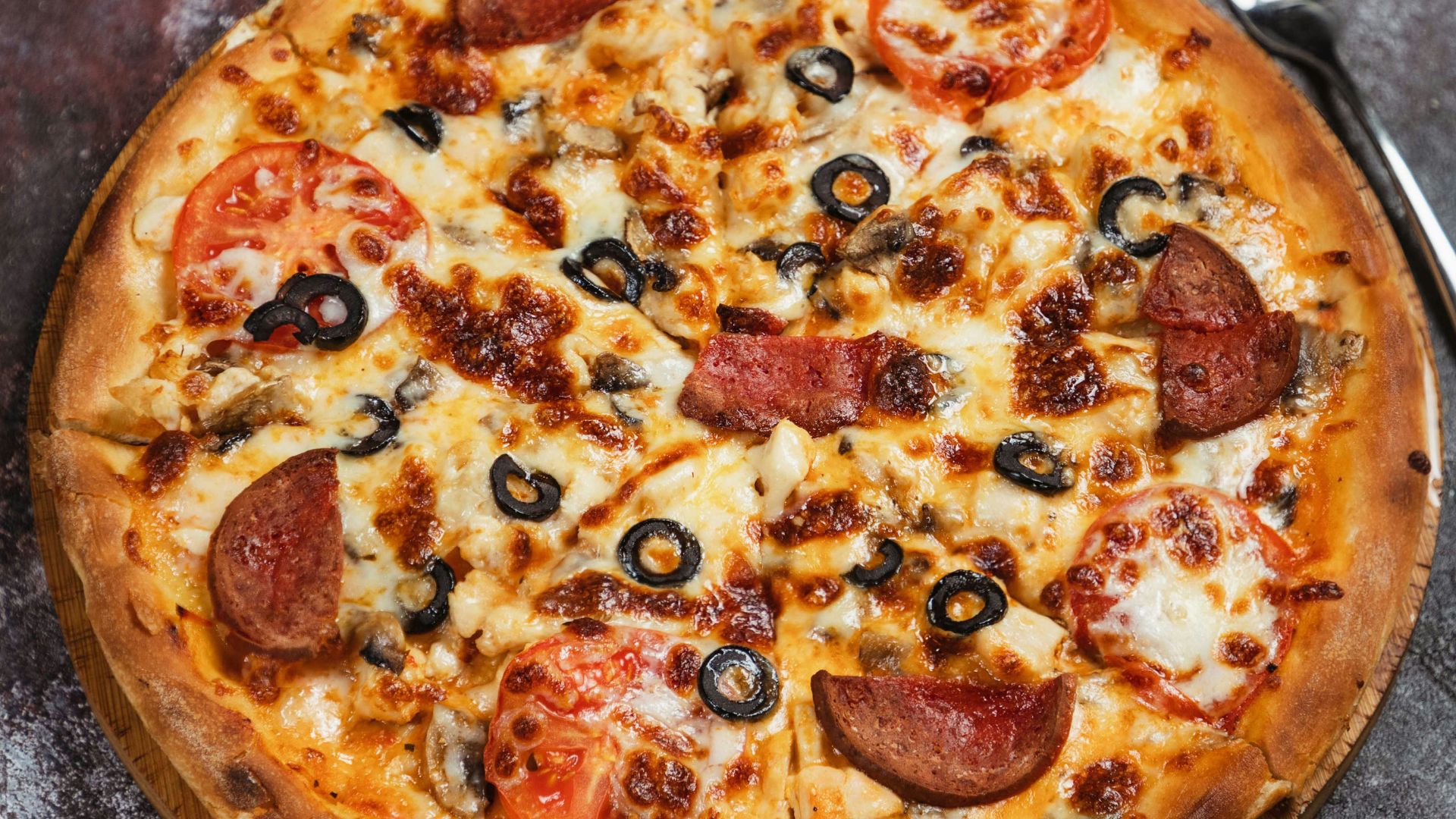
The roots of pizza trace back centuries, where the humble flatbread transformed into a culinary symbol deeply ingrained in many cultures. In modern restaurant settings, this tradition finds its way not only through recipes but also through the ritualistic way pizza is prepared and served. Each slice carries the weight of a story, connecting diners to the original, artisanal spirit of pizza making. The ritual begins with dough crafted by hand, fermented slowly to develop a complex flavor, mirroring age-old methods. This slow process is respected in many pizzerias, honoring the past while delighting contemporary palates.
Restaurants embracing authentic pizza traditions often prioritize wood-fired ovens, where flames dance and impart a smoky aroma to the crust. This method, passed down through generations, produces a texture and taste impossible to replicate with modern equipment. The communal atmosphere fostered around a shared pizza elevates the dining experience beyond a simple meal; it’s a gathering steeped in cultural heritage. Dining in such establishments is a celebration of authenticity, a reminder that pizza is more than just food—it’s a living tradition.
The Artistry Behind Dough Preparation
Dough preparation is the heartbeat of authentic pizza making. This essential step requires patience and respect for the ingredients involved. The flour, water, yeast, and salt interact over hours, developing elasticity and a subtle tang that forms the base of every pizza. Restaurant kitchens that cling to traditional methods understand that dough isn’t just a vehicle for toppings but a canvas that carries flavors and textures vital to the pizza’s character.
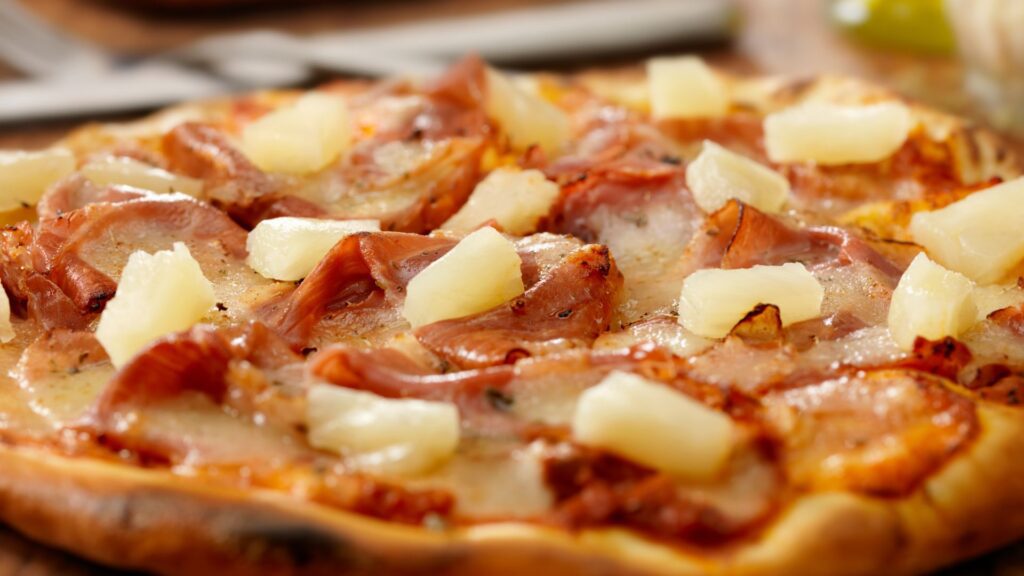
The process often begins with cold fermentation, allowing the dough to rest and mature. This technique encourages natural yeast activity, enhancing taste and digestibility. When handled properly, the dough springs back with a gentle resilience, signaling readiness. By hand-stretching rather than rolling, chefs preserve air pockets, creating a light yet chewy crust. These delicate techniques require skill, but the payoff is a crust that crackles with authenticity and carries the soul of time-honored pizza craft.
The Significance of Fresh, Local Ingredients
One of the key aspects of maintaining authentic traditions in pizza dining lies in the careful selection of ingredients. Restaurants dedicated to honoring pizza’s heritage seek out fresh, local produce, herbs, and cheeses to ensure vibrant, natural flavors. This commitment not only supports local farmers but also preserves the integrity of each pizza, allowing seasonal nuances to shine through.
Fresh tomatoes, often turned into rich sauces, burst with the essence of their harvest, while herbs such as basil are chosen at peak aroma. Cheese, preferably made from whole milk, melts with a creamy, nuanced profile that industrial alternatives lack. These elements combined create a harmony that respects the simplicity and balance characteristic of traditional pizzas. The result is a dish that tastes alive, connecting diners to the land and season in every bite.
Traditional Techniques in Sauce Crafting
Crafting pizza sauce goes beyond blending ingredients; it is an art that requires intuition and adherence to tradition. Many authentic pizzerias stick to simple recipes that highlight natural tomato sweetness and acidity without overpowering spices or heavy cooking. The sauce must act as a delicate backdrop, complementing rather than competing with the crust and toppings.
Typically, the sauce is prepared using ripe tomatoes, crushed or pureed gently to maintain texture. Some chefs add a touch of olive oil and a hint of garlic, allowing the freshness of the tomatoes to lead the flavor profile. This approach results in a sauce that is vibrant and bright, a true representation of the tomatoes’ origin. The subtlety found in traditional sauce preparation enhances the overall pizza experience, creating layers of flavor that evolve with each bite.
The Role of Wood-Fired Ovens in Authentic Pizza Flavor
Few elements contribute as profoundly to authentic pizza flavor as the wood-fired oven. This ancient cooking tool infuses pizzas with a smoky character and a distinctive crust texture. The intense heat generated, often reaching temperatures far beyond conventional ovens, cooks the pizza rapidly, sealing in moisture while crisping edges to perfection.
Beyond its culinary function, the wood-fired oven is a symbol of tradition and craftsmanship. In restaurants that value authenticity, the oven is often the centerpiece of the kitchen, an inviting spectacle for diners to witness. The crackling of burning wood and the flickering flames create a sensory experience that connects patrons to centuries-old cooking practices. The oven’s role transcends mere cooking—it becomes a cultural artifact, preserving a genuine taste that has delighted pizza lovers for generations.
The Communal Nature of Pizza Dining
Pizza dining in authentic settings embraces the communal spirit deeply embedded in its history. Traditionally, pizza is not a solitary meal but an experience shared among friends and family, fostering connection and celebration. Restaurants that honor this tradition create environments where tables are designed for sharing, and pizzas are often served whole, inviting conversation and camaraderie.
This shared experience enhances the pleasure of eating, turning meals into events. The act of passing slices, discussing favorite toppings, and enjoying flavors collectively rekindles the social aspect of dining that many modern fast-food settings overlook. Authentic pizza dining, therefore, becomes a conduit for human connection, reminding us that food’s true magic lies not just in taste but in bringing people together.
Preserving Regional Variations in Pizza Styles
Pizza is a dish that transcends borders yet retains strong regional identities. Authentic restaurants honor these distinctions, often featuring styles that reflect local history and tastes. From the thin, crisp crusts of Naples to the hearty, deep-dish creations of Chicago, each style carries unique preparation methods, ingredient choices, and cultural significance.
By preserving these regional variations, restaurants offer patrons a chance to explore pizza’s diversity within a single dining experience. Such respect for distinct traditions enriches the culinary landscape, allowing guests to appreciate the craftsmanship behind every bite. Whether it’s a delicate Margherita or a robust Sicilian square, authentic pizza dining celebrates these differences as integral to the story and spirit of pizza.
The Craft of Balancing Toppings and Texture
The art of topping a pizza goes beyond layering ingredients; it demands thoughtful balance to ensure harmony in flavor and texture. In restaurants committed to tradition, toppings are selected and applied with care, considering how each component interacts with the crust and sauce. Overloading a pizza can mask subtle flavors, while too few can leave it feeling sparse.
This craft involves understanding the moisture content of ingredients, the melting point of cheeses, and the interplay between fresh and cooked elements. Chefs often layer toppings to achieve contrast—crispy vegetables against soft cheeses or savory meats against tangy sauces—creating a symphony of taste and mouthfeel. This delicate equilibrium embodies the essence of authentic pizza dining, where every detail matters in crafting a memorable dish.
The Ritual of Serving and Presentation
Serving pizza in an authentic restaurant setting embraces a ritualistic quality that elevates the meal. Presentation is simple yet deliberate, often showcasing the pizza’s golden crust, vibrant toppings, and inviting steam. The way the pizza is sliced and shared is part of the experience, reinforcing communal enjoyment and anticipation.
This ritual extends beyond the plate to include warm interactions between servers and guests, fostering a welcoming atmosphere. The act of bringing a freshly baked pizza to the table, hearing the crust’s crunch as it’s cut, and passing slices around creates moments that linger beyond taste. Authentic pizza dining honors these small but meaningful traditions, reminding us that food presentation and service are integral to the whole experience.
The Enduring Appeal of Classic Pizza Recipes
Classic pizza recipes hold an enduring charm that transcends trends and fads. In many authentic pizza restaurants, these recipes are treasured and preserved, passed down through generations with little alteration. They embody simplicity, quality, and balance, showcasing how a few well-chosen ingredients can create something extraordinary.
The appeal of classics lies in their familiarity and reliability; they evoke nostalgia while delivering consistent satisfaction. Whether it’s a simple cheese pizza or a Margherita crowned with fresh basil, these timeless creations form the foundation upon which innovations are built. Authentic pizza dining celebrates these recipes not as relics but as living traditions, connecting the past to the present in every savory bite.
Conclusion
Authentic pizza dining in restaurants invites patrons into a world where tradition and taste intertwine. From the meticulous preparation of dough and sauce to the reverence for wood-fired ovens, every element reflects a commitment to honoring pizza’s rich heritage. The communal nature of pizza sharing further deepens this connection, transforming meals into memorable social experiences. Regional styles and classic recipes preserved in these establishments offer a delicious journey through pizza’s diverse history. This dedication to authenticity ensures each pizza is not merely food but a celebration of culture and craftsmanship.
For those seeking an authentic pizza experience in Scottsdale, Arizona, Night Owl Pizza & Drinks Scottsdale stands as a beacon of tradition and flavor. Located at 1645 Hayden Rd, this restaurant brings genuine pizza artistry to life. Reservations or inquiries can be made by calling (480) 687-1827 or emailing info@nightowlaz.com. Dining here offers more than a meal; it’s an invitation to savor the time-honored traditions that make pizza a timeless delight.