

The foundation of any exceptional pizza begins with the dough, a component often underestimated but central to the entire culinary experience. Behind the scenes, dough preparation is a meticulous process, combining patience with precision. The flour selection sets the stage, as artisan pizzerias opt for high-quality varieties to create a base that is both tender and resilient. Hydration levels are carefully balanced to achieve a dough that stretches without tearing, offering the perfect canvas for toppings. The kneading process, whether done by hand or machine, develops gluten strands, giving the crust its signature chewiness and texture. This initial phase is where many subtle decisions influence the final bite, from the type of yeast used to the length of fermentation, often allowing the dough to rest and develop nuanced flavors over time.
Temperature control is a critical factor during dough preparation, as slight variations can impact rising and texture. Slow fermentation at cooler temperatures is favored by chefs who value complex flavor development, allowing natural sugars to caramelize during baking. This patient approach results in dough with a depth of flavor, setting it apart from mass-produced alternatives. Behind every great pizza lies this dance of science and intuition, where expert hands nurture simple ingredients into a living, breathing foundation. It’s this devotion to detail that transforms a humble dough ball into the heart of an unforgettable meal.
Selecting Ingredients with Purpose and Passion
The journey from dough to delectable pizza involves an equally deliberate approach to toppings and sauces. Quality ingredients are not just chosen for their individual flavors but for how they harmonize together, creating an orchestral balance in every bite. Fresh vegetables, ripe tomatoes, premium cheeses, and carefully selected meats come together, each adding its unique note. The sauce, often a secret recipe, is crafted to complement without overpowering, using ripe tomatoes blended with herbs and spices that evoke regional traditions or creative twists. This blending process is where the artistry truly shines, balancing acidity, sweetness, and aroma to prepare the palate for the toppings to come.
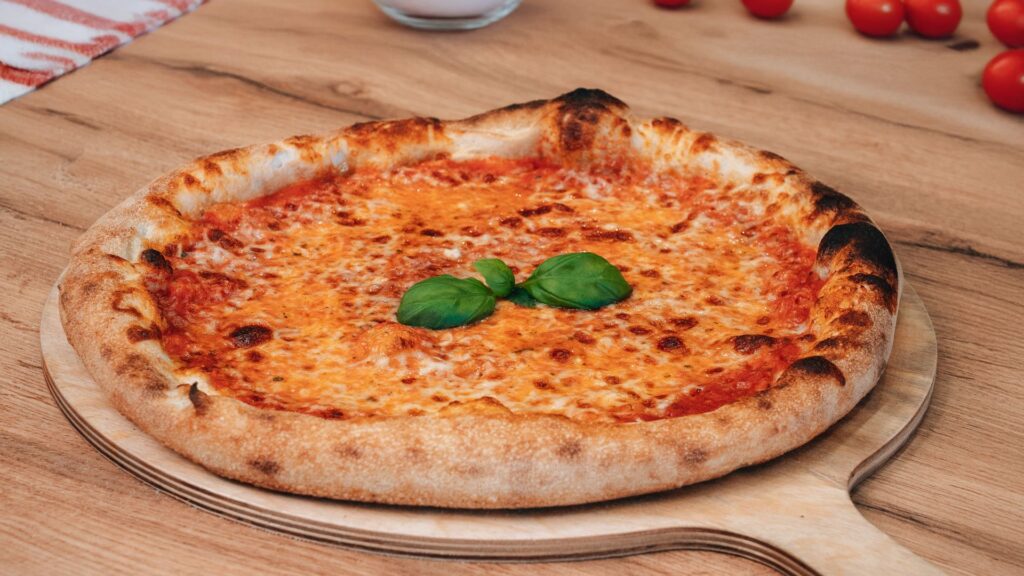
Beyond flavor, texture and appearance play vital roles in ingredient selection. Cheeses are selected not only for melting quality but also for how their creaminess contrasts with crunchy vegetables or smoky meats. The layering of toppings follows an intuitive flow, ensuring that each bite delivers a complex, satisfying experience. Ingredient sourcing often involves partnerships with local producers, emphasizing freshness and sustainability. This connection to local harvests enriches the flavor profile and supports community relationships, creating pizzas that feel rooted in their environment and culture. The careful curation of ingredients underlines the passion and respect for food that elevates every pizza into a masterpiece.
The Science Behind Oven Temperatures and Baking
The moment when pizza enters the oven marks a transformation that combines chemistry and craft. Different ovens—whether wood-fired, gas, or electric—bring unique characteristics to the cooking process, influencing texture and flavor. Wood-fired ovens, for instance, reach incredibly high temperatures, creating a blistered, smoky crust with a soft interior. This rapid heat exposure caramelizes sugars and crisps the dough in a way that can’t be replicated by lower temperatures. Gas ovens offer consistent heat and precise control, ideal for chefs who prefer predictability, while electric ovens provide versatility with even baking surfaces. Each choice reflects a culinary philosophy that shapes the finished product.
Controlling oven temperature and timing is an exercise in intuition and experience. Pizzaiolos watch closely as edges bubble and toppings sizzle, making micro-adjustments to heat or position. This dynamic interaction between cook and oven can’t be mechanized; it relies on sensory awareness and years of practice. The speed at which heat penetrates the dough affects moisture retention, crust development, and the melting of cheeses. Even subtle changes in humidity and airflow inside the oven influence the final texture. This behind-the-scenes mastery is what turns a raw pie into a golden, aromatic work of art, bursting with layers of flavor and perfectly balanced textures.
The Role of Presentation in the Pizza Experience
While taste remains paramount, presentation elevates pizza beyond mere food into an experience that engages the senses visually and emotionally. The way a pizza is assembled and plated reflects the chef’s creativity and attention to detail. Color contrasts between toppings invite the eye to explore every slice, with vibrant greens, rich reds, and golden cheeses forming a feast for both sight and appetite. Patterns in topping placement can guide each bite, ensuring every piece offers a thoughtfully balanced combination of flavors. Presentation also considers practical elements, such as how slices are cut and served to facilitate sharing and enjoyment.
The atmosphere created by the plating and presentation affects perception of quality and anticipation. In restaurant settings, the style of serving—from rustic wooden boards to sleek plates—complements the overall dining environment, enhancing the meal’s narrative. Thoughtful garnishes like fresh basil leaves or a drizzle of extra virgin olive oil add a finishing touch that signals care and craftsmanship. This behind-the-scenes consideration shows how pizza, often thought of as casual fare, can be celebrated as a culinary canvas where aesthetics and flavor interplay. Presentation is not just decorative but an integral part of how a pizza’s story unfolds on the plate.
Techniques in Balancing Flavor Profiles
Achieving harmony in flavor is a nuanced skill that underlies the creation of memorable pizzas. Every ingredient contributes to an interplay of salty, sweet, acidic, bitter, and umami notes, and balancing these elements requires an experienced palate. Cheeses bring richness and saltiness; tomatoes offer brightness and acidity; cured meats add smokiness and depth; herbs and spices lend freshness or warmth. The balance of these flavors determines whether a pizza delights or falls flat. Seasoning is equally crucial, as salt, pepper, and sometimes unexpected spices are layered thoughtfully, ensuring no single element overwhelms the others.
The art of balance extends to textural contrasts as well, enhancing the overall sensory experience. Crisp crusts juxtaposed with gooey cheese or tender vegetables provide a dynamic bite that keeps the palate intrigued. Flavor pairing is often experimental, blending traditional combinations with innovative twists. Some chefs incorporate regional ingredients or seasonal produce to refresh classic profiles, crafting pizzas that feel both familiar and adventurous. Behind the scenes, this dance of taste and texture demands constant refinement and tasting, demonstrating the culinary intuition necessary to compose a pizza that resonates deeply with those who savor it.
The Importance of Timing in Pizza Preparation
Time is a silent partner in the art of pizza creation, influencing every step from dough fermentation to baking and serving. Fermentation alone can span hours or days, with longer periods developing richer, more complex dough flavors. Timing impacts not just taste but the texture of the crust, allowing for air pockets that create a light, airy structure. Chefs must orchestrate these processes carefully, coordinating ingredient preparation, assembly, and cooking so that every component is fresh and at its peak. The rhythm of the kitchen—buzzing with activity yet controlled—is where timing becomes an essential skill.
In the heat of service, timing also dictates the pizza’s journey from oven to table. Rapid delivery preserves temperature, texture, and flavor, ensuring customers enjoy the pie at its best. Behind the scenes, kitchen teams synchronize their efforts to meet demand without sacrificing quality, balancing speed with attention to detail. This precision in timing ensures the pizza retains its character and magic in every slice, delivering an experience that feels both spontaneous and carefully crafted. The unseen choreography of time management reveals how mastery in the kitchen turns simple ingredients into something extraordinary.
The Influence of Regional Traditions on Pizza Style
Pizza is a global canvas reflecting a rich tapestry of regional influences, with each area infusing its unique heritage into the dish’s identity. From the thin, crisp slices of New York to the deep-dish, hearty versions popular in Chicago, regional styles celebrate diversity while honoring tradition. These variations extend to ingredient choices, crust thickness, baking methods, and even presentation. Behind the scenes, chefs often draw inspiration from local customs and history, weaving stories into their pies through flavors and techniques that evoke place and memory. This respect for tradition offers diners more than food; it’s a cultural journey.
Local ingredients further shape regional styles, bringing distinct textures and tastes to the table. Coastal areas might emphasize fresh seafood toppings, while inland regions focus on robust meats or unique cheeses. The embrace of regional preferences fosters creativity and pride, leading to hybrid styles that blend old and new. Behind the scenes, adapting recipes to local palates and seasonal availability challenges chefs to innovate while preserving authenticity. This fusion of heritage and experimentation makes pizza a dynamic, living tradition, endlessly evolving yet deeply connected to its roots.
The Collaboration Between Kitchen and Front of House
Creating an exceptional pizza experience is a collaborative effort, where kitchen artistry meets front-of-house hospitality. Behind the scenes, clear communication ensures that every order is executed flawlessly, from ingredient prep to timely service. Kitchen staff rely on servers to convey customer preferences and feedback, while servers depend on the kitchen for consistency and quality. This partnership fosters an environment where passion and professionalism combine, creating a seamless dining experience. The rhythm between these teams is essential to maintaining the magic from the oven to the plate.
The interaction extends beyond logistics to creating atmosphere and storytelling. Servers become ambassadors of the menu, sharing the inspiration behind pizzas and enhancing the meal with personal touches. Behind the scenes, training and teamwork build trust, enabling quick problem-solving and maintaining standards during busy service times. This synergy ensures that guests receive not just food but an experience shaped by collective effort and pride. It is this behind-the-scenes harmony that elevates pizza dining into something memorable and meaningful.
Innovation in Pizza Presentation and Toppings
Innovation pulses beneath the surface of traditional pizza crafting, pushing boundaries in both presentation and ingredient combinations. Chefs experiment with unexpected toppings—think exotic fruits, infused oils, or artisanal cheeses—to challenge expectations and delight adventurous eaters. The visual aspect also evolves, with pizzas crafted into artistic shapes or adorned with edible flowers and microgreens. These innovations invite diners to see pizza as a creative outlet, blending culinary artistry with modern trends. Behind the scenes, experimentation involves trial and error, balancing novelty with palatability to create something fresh and exciting.
Modern pizza makers also embrace dietary diversity, catering to vegan, gluten-free, and health-conscious patrons without compromising flavor or texture. Innovations in dough formulations and plant-based cheeses expand possibilities, reflecting a broader cultural shift toward inclusive dining. This dynamic approach keeps pizza vibrant and relevant, ensuring it continues to surprise and satisfy. Behind the scenes, adapting traditional methods to new ideas showcases the resilience and creativity of pizza as a beloved culinary form. Innovation honors tradition by pushing its edges, crafting experiences that resonate with contemporary tastes.
The Emotional Connection Forged Through Pizza
At its core, pizza is more than a dish; it is a connector of people and moments. Behind the scenes, the process of making pizza is infused with emotion—passion for quality, joy in creativity, and care for those who will share the meal. Each pie carries the imprint of those who prepared it, an intangible warmth that transcends ingredients. Pizza often gathers friends and family, celebrating milestones or simply turning an ordinary night into something special. This emotional resonance elevates the food beyond sustenance, transforming it into a symbol of togetherness.
The intimate connection forged by pizza is reflected in the atmosphere of restaurants where memories are made. Behind the scenes, staff cultivate an environment where guests feel welcome and cherished, recognizing that food serves as a bridge to human experience. The rituals surrounding pizza—sharing slices, savoring flavors, laughter around the table—create lasting impressions. This emotional layer underscores why pizza remains a perennial favorite, endlessly comforting and joyful. It reminds us that food’s true masterpiece lies not just in taste but in its power to connect hearts.
Conclusion
Behind every exceptional pizza lies a rich tapestry of skill, passion, and thoughtful craftsmanship. From the artful preparation of dough and careful selection of ingredients to the precise baking techniques and harmonious flavor balances, each step unfolds like a hidden story. The seamless collaboration between kitchen and service teams, paired with ongoing innovation and deep respect for regional traditions, transforms simple ingredients into memorable experiences. These behind-the-scenes efforts nurture the emotional connections forged through pizza, where every slice invites celebration and togetherness.
For those seeking an authentic taste and atmosphere rooted in this craftsmanship, Night Owl Pizza & Drinks Scottsdale offers an unforgettable experience. Located in Scottsdale, AZ, this establishment embraces all facets of pizza artistry, combining quality ingredients with expert preparation to delight every palate. For more details or to place an order, reach out at (480) 687-1827 or visit 1645 Hayden Rd, Scottsdale, AZ 85257. To connect digitally, email info@nightowlaz.com and discover firsthand the magic behind their pizza creations.