

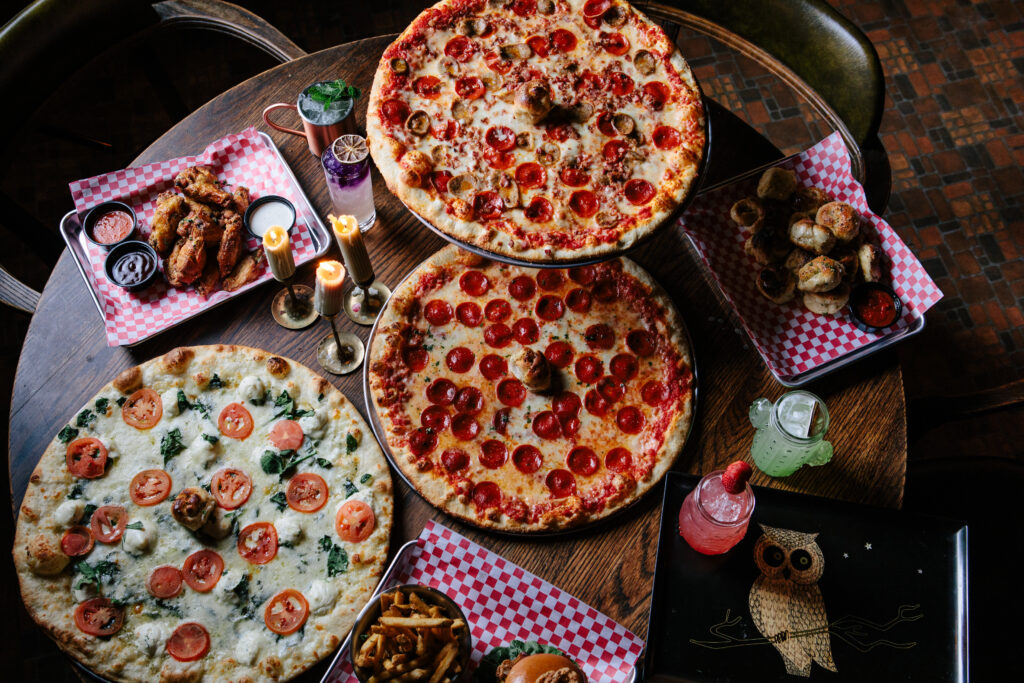
New York style pizza has earned its reputation for a reason that goes beyond just taste. The hallmark lies in its thin, hand-tossed crust that strikes a balance between crispiness and pliability. This crust is substantial enough to hold generous toppings yet flexible enough to fold, making it an iconic way to enjoy a slice on the go. The dough’s unique hydration level and use of high-gluten flour contribute to that characteristic chewiness which sets New York slices apart. This balance between crunch and softness offers a tactile experience that feels both satisfying and nostalgic.
But it’s not just about the crust. The tomato sauce, typically crafted from high-quality, slightly sweetened tomatoes, forms a bright and tangy base. The mozzarella cheese, often shredded and generously layered, melts into a gooey, golden blanket that complements the sauce and crust harmoniously. This marriage of simple yet high-quality ingredients crafts a pizza that is approachable yet packed with flavor — an everyday classic that has won hearts worldwide.
Comparing Crust Styles Across Regions
Pizza crust can vary dramatically depending on the region, and this diversity defines the flavor and texture landscape of pizza. New York style’s thin, foldable crust stands in stark contrast to the thick, airy crust of Chicago deep-dish pizza, which almost resembles a pie with its buttery, biscuit-like base. While the deep-dish offers a more substantial, hearty bite filled with layers of cheese, sauce, and toppings, the New York slice thrives on balance and portability.
On the other side of the spectrum, Neapolitan pizza boasts a puffy, charred, and slightly chewy crust with a soft, blistered edge that speaks to its wood-fired origins. This style is much lighter on toppings, focusing instead on the purity of dough and high-quality fresh ingredients. Meanwhile, California-style pizza ventures into experimental territory with inventive toppings but typically retains a thin crust that is less chewy than New York’s. Each crust style contributes uniquely to the overall pizza experience, offering something for every preference.
Sauce Secrets: New York vs. Traditional Italian
The sauce on a New York style pizza tends to be a bright, slightly sweet tomato concoction that’s bold but not overpowering. This tomato base provides a vibrant flavor that harmonizes with the cheese and crust, offering a balanced taste that enhances the overall slice. The sauce’s consistency is usually smooth enough to spread thinly yet thick enough to be flavorful without drowning the slice. This careful calibration allows every bite to retain its signature tang while marrying perfectly with the mozzarella topping.
Contrasting this, traditional Italian or Neapolitan pizzas favor a simpler, fresher tomato sauce often made from crushed San Marzano tomatoes with minimal seasoning. This sauce is lighter, sometimes more rustic, and tends to let the natural tomato flavors shine through without added sugar or spices. The difference lies in the sauce’s purpose — New York style aims for a crowd-pleasing balance of sweet and savory, while traditional Italian sauces lean toward authenticity and minimalism, celebrating the pure taste of tomato.
Cheese Choices and Their Impact on Flavor
New York style pizza is famous for its generous use of low-moisture mozzarella cheese, which melts beautifully to create a stretchy, golden layer. This cheese selection offers a creamy texture that holds up well under the intense heat of pizza ovens, contributing to the iconic gooeyness with just the right amount of browning. The cheese’s mild flavor complements the tangy tomato sauce, creating a harmonious blend without overwhelming the palate.
In comparison, other styles often incorporate different cheeses or blends to add unique flavor notes. For example, Italian pizzas might use fresh mozzarella, which is softer, creamier, and more delicate but can be wetter, affecting the crust’s texture. Some regional pizzas include pecorino or parmesan sprinkled on top for added sharpness. California pizzas might experiment with cheeses like goat or feta to introduce tanginess or richness. Cheese choice is pivotal because it alters the melting characteristics, texture, and overall taste, giving each pizza style a distinct personality.
The Role of Toppings in Style Differentiation
New York style pizza traditionally leans toward classic toppings such as pepperoni, sausage, mushrooms, and green peppers, adhering to the “less is more” philosophy. These toppings are typically sliced thin and spread evenly, ensuring every bite delivers a balanced taste without overwhelming the crust or cheese. The emphasis is on enhancing the foundational flavors of the dough, sauce, and cheese, rather than overshadowing them with excessive or unconventional additions.
On the flip side, other pizza styles often embrace toppings more boldly. Chicago deep-dish pizzas layer their ingredients in reverse order, starting with cheese on the crust, then toppings, and finally a thick tomato sauce on top, resulting in a hearty, layered bite. California style pizzas showcase creativity, combining ingredients like artichokes, smoked salmon, or exotic cheeses, turning the pizza into a culinary adventure. Neapolitan pizza stays minimalist, often just fresh basil, mozzarella, and tomatoes, emphasizing simplicity. The topping strategy deeply influences how each pizza style is perceived and enjoyed.
Baking Methods Shaping Texture and Taste
The baking technique is an essential element defining pizza styles. New York style pizzas are typically baked in large, gas-fired ovens at high temperatures, allowing the crust to crisp while maintaining a pliable texture. This approach ensures the cheese melts evenly and the sauce simmers into the dough, developing that signature New York slice character. The quick bake time also preserves freshness and encourages that subtle smoky aroma associated with the city’s pizza culture.
In contrast, Neapolitan pizzas are famously baked in wood-fired ovens that reach scorching temperatures, creating a blistered, charred crust with a distinctive flavor. The fast, intense heat produces a soft and airy interior with a crunchy exterior, a texture quite different from New York’s denser chewiness. Chicago’s deep-dish requires a longer bake at lower temperatures to allow the thick crust and toppings to cook through thoroughly. Each oven style leaves its unique imprint, making the baking method a fundamental piece in the flavor puzzle.
Slice Size and Eating Experience
One of New York style pizza’s most defining characteristics is its large, wide slices designed for folding in half lengthwise. This folding tradition isn’t just practical; it adds a tactile dimension to enjoying the slice, allowing the eater to savor every component in a single, convenient bite. The large size also invites sharing or grabbing a quick meal on the go, perfectly suited to the fast-paced New York lifestyle.
In other styles, slice size and eating method differ markedly. Chicago deep-dish pizzas come in thick wedges that are often eaten with a knife and fork due to their heft and richness. Neapolitan pizzas are usually smaller in diameter, cut into more delicate slices that encourage a slow savoring of textures and flavors. California-style pizzas, with their experimental toppings, may vary in slice size but tend to emphasize presentation. The size and way of eating a pizza slice influence not just flavor perception but also the social and cultural experience.
Ingredient Quality as a Flavor Foundation
The quality of ingredients in New York style pizza cannot be overstated. The dough is made from carefully sourced flour and water, sometimes from New York’s famed tap water, lending a subtle but unique flavor to the crust. High-grade tomatoes and fresh mozzarella add to the pie’s layered taste profile, ensuring that even a simple slice delivers maximum satisfaction. The focus is on a few well-chosen ingredients that work in harmony rather than an overload of toppings or spices.
Other pizza styles may prioritize ingredient diversity or artisanal approaches. Neapolitan pizzas often use imported Italian flour and San Marzano tomatoes, showcasing authenticity. California pizzas emphasize organic, locally sourced toppings that reflect seasonal flavors. Chicago deep-dish chefs might use richer cheeses and meats to enhance heartiness. Each style’s commitment to ingredient quality shapes its overall flavor and reflects its culinary philosophy, making ingredient sourcing as vital as technique.
Cultural Roots Influencing Flavor Profiles
New York style pizza is deeply intertwined with the city’s immigrant history, particularly Italian-American influences that shaped its evolution. The style reflects a melting pot approach: traditional Italian recipes adapted to the tastes and lifestyles of New Yorkers. This cultural fusion produces a pizza that is familiar yet distinct, emphasizing accessibility, flavor balance, and convenience.
Meanwhile, other pizza styles emerge from different cultural contexts. Neapolitan pizza remains true to its Italian roots, prized for its simplicity and regional tradition. Chicago deep-dish represents Midwestern heartiness, with its substantial, comfort-food approach. California’s pizza scene reflects a culture of innovation and health consciousness, experimenting with global flavors and fresh ingredients. These cultural backgrounds not only determine flavor profiles but also the stories and experiences behind each slice.
Popularity and Global Influence
New York style pizza enjoys a worldwide following, celebrated for its consistent quality and adaptable nature. It has inspired countless pizzerias and food lovers, becoming a symbol of urban American cuisine. Its foldable slices and balanced flavors have made it a go-to choice for those craving a satisfying yet straightforward pizza experience.
Other styles have carved out their own niches and fervent fan bases. Neapolitan pizza, recognized by UNESCO for its cultural significance, remains the gold standard for authentic Italian pizza lovers. Chicago deep-dish has its passionate devotees who prize indulgence and richness. California style continues to innovate and push culinary boundaries, influencing modern pizza trends. Each style’s reach and impact speak volumes about the diverse ways people connect with this beloved dish.
Conclusion
The flavor showdown between New York style pizza and other pizza types reveals a fascinating spectrum of tastes, textures, and traditions. New York style stands out for its perfect blend of chewy yet crisp crust, vibrant sauce, and generous cheese, wrapped up in a slice designed to be enjoyed anywhere, anytime. While other styles showcase distinct crusts, sauces, toppings, and baking techniques, the New York slice’s accessibility and balanced flavor make it a perennial favorite.
For pizza lovers in Scottsdale, AZ seeking that authentic New York experience or eager to explore different pizza traditions, Night Owl Pizza & Drinks Scottsdale offers a flavorful journey. Located at 1645 Hayden Rd, Scottsdale, AZ 85257, they bring a taste of the city’s renowned style to the Southwest. To experience this culinary delight firsthand, reach out at (480) 687-1827 or email info@nightowlaz.com. Whether craving a classic slice or looking to compare flavors, this spot delivers pizza passion with every bite.