
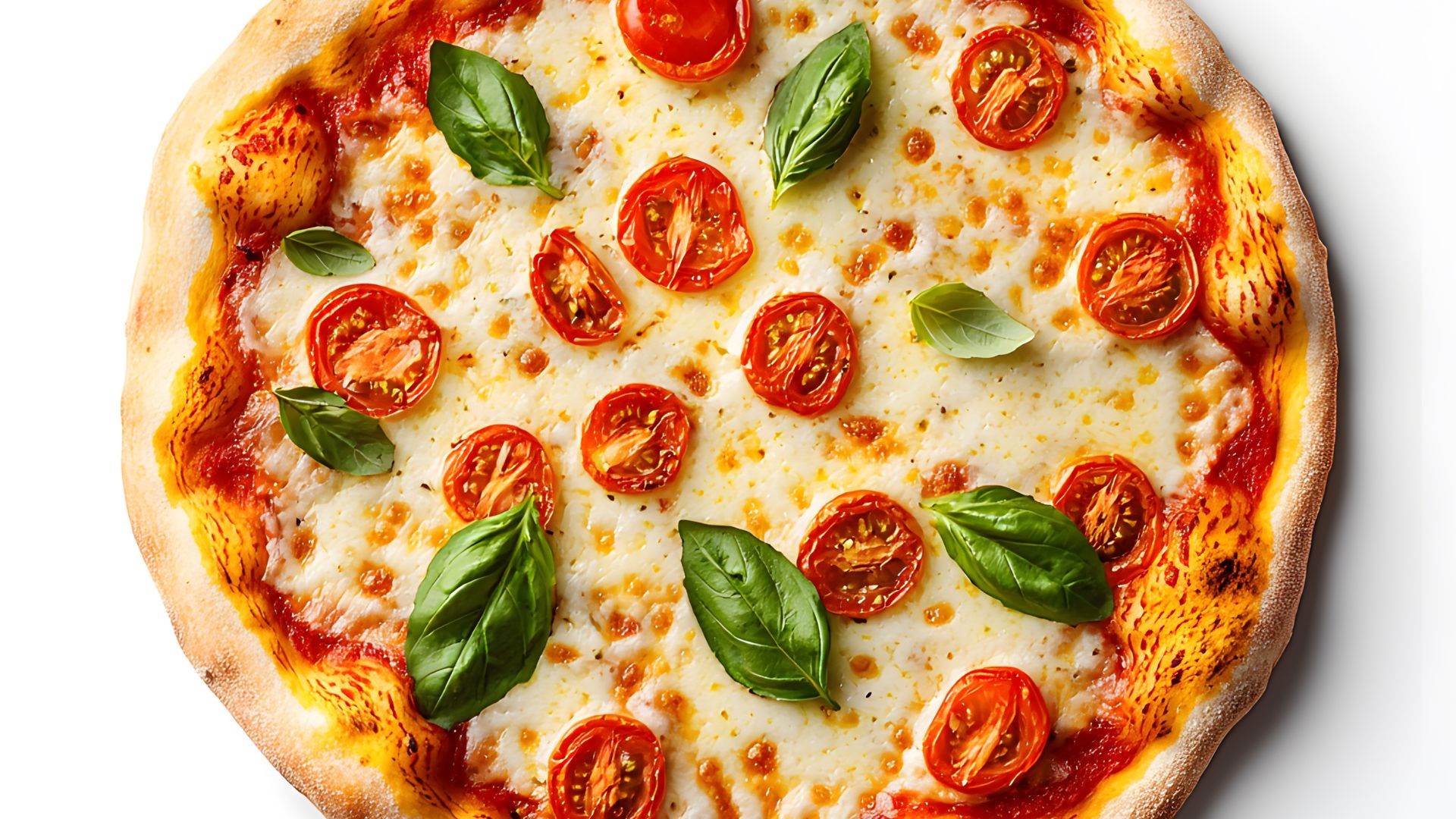
Achieving those irresistible crispy edges in New York style pizza begins with the dough. It’s not merely about mixing flour and water; it’s a delicate balance of ingredients, hydration, and time. The dough’s elasticity, the right amount of gluten development, and a slightly higher hydration level all contribute to the foundation that will crisp beautifully in the oven. The dough needs to be strong enough to hold its shape yet light enough to create those airy bubbles that form the signature thin crust texture.
Patience plays a huge role as well. Allowing the dough to ferment slowly encourages flavor development and strengthens the gluten network, setting the stage for that perfect crunch. The process of cold fermentation can enhance the dough’s complexity, giving it subtle tang and a texture that withstands high heat baking without becoming soggy. This thoughtful preparation is what separates a mere pizza crust from the perfectly crispy edges that define New York style pizza.
Temperature and Baking Techniques That Shape the Crust
The secret to crispy edges also lies in how the pizza is baked. Traditional New York style pizza is cooked at high temperatures, often in coal or gas ovens reaching extreme heat. This rapid burst of heat causes the dough’s outer layer to blister and crisp while maintaining a tender and chewy interior. It’s this contrast that makes every bite satisfying. The oven’s hot surface quickly evaporates moisture from the dough’s surface, essential for creating that coveted crunch without drying the entire slice.
Another baking nuance is the use of pizza stones or steel surfaces which simulate the intense heat of commercial ovens. These materials conduct heat evenly and help crisp the bottom and edges efficiently. This method allows the crust to develop a golden-brown exterior that holds up to toppings but still delivers that satisfying snap with each bite. Timing also matters—too short, and the crust is pale and doughy; too long, and it risks burning instead of crisping delicately.

How Dough Thickness Influences the Edge Texture
The thinness of the dough at the edges significantly impacts the crispiness of New York style pizza. By rolling or stretching the dough to a specific thinness, the edges are able to bake quickly and develop a crunch without becoming hard or brittle. The dough at the crust’s perimeter must be thin enough to crisp but still retain enough structure to prevent crumbling. This subtle balancing act ensures that the edges remain flavorful and texturally interesting, drawing pizza lovers back slice after slice.
Stretching the dough by hand rather than using a rolling pin is often preferred to preserve air pockets that create a light texture. This technique also encourages a more uneven thickness which lends to crispier, slightly charred edges. Those tiny bubbles in the dough are like miniature ovens themselves, expanding and browning more intensely at the crust’s border. This process is what gives the New York style pizza its distinctive edge—a perfect contrast between crunchy outside and tender inside.
The Role of Flour Type in Creating Crispy Edges
The choice of flour has a subtle yet profound effect on how the pizza crust bakes and crisps. High-protein bread flour is the favored ingredient for New York style dough because it provides the right amount of gluten needed for elasticity and chew. This gluten development is essential to trap gases during fermentation, forming the structure that supports crispy edges. Lower protein flours tend to produce softer crusts that struggle to hold up under toppings or baking heat, resulting in a soggier bite.
Bread flour’s fine texture also absorbs water differently, promoting a dough that crisps evenly when exposed to high heat. The flour’s ability to form a strong but extensible dough helps the crust blister and crackle in the oven, delivering that ideal crispy edge. While the ingredient seems simple, the specific flour choice underpins the entire baking process, ensuring the dough crisps to perfection without losing its chewiness or flavor.
The Influence of Hydration on Crust Crispiness
Hydration, or the ratio of water to flour in the dough, plays a crucial role in determining the final crust texture. Higher hydration doughs tend to produce airier, lighter crusts that brown beautifully with crisp edges. The water content affects how the dough expands during baking and how moisture evaporates, which directly impacts crispiness. A well-hydrated dough allows steam to escape quickly at high heat, creating those small blisters and crunch at the edges that pizza aficionados crave.
However, too much water can lead to a sticky dough that is difficult to work with and may result in soggy or gummy crust if not handled correctly. Achieving the ideal hydration level is a balancing act that requires understanding how the dough feels, stretches, and bakes. The water not only activates gluten formation but also influences how the crust behaves in the oven, making hydration a key secret to crispy New York style pizza edges.
The Impact of Fermentation Time on Flavor and Texture
Time is an unsung hero when it comes to perfect pizza crust. Fermentation allows yeast to break down sugars in the dough, creating carbon dioxide that leavens the crust and enhances flavor complexity. Longer fermentation times, especially cold fermentation in the refrigerator, improve the dough’s texture, making it both chewy and crisp once baked. The slow rise develops subtle tangy notes while the gluten network strengthens, allowing the edges to hold their shape and crisp without becoming tough.
This natural aging process also helps reduce the dough’s tendency to become dense or doughy after baking. It creates a crust that responds beautifully to high temperatures and yields those signature blistered edges. The patient approach to fermentation is a vital part of why New York style pizza can achieve a crust that is crispy on the outside and tender on the inside, leaving a lasting impression on every slice.
The Role of Oil in Enhancing Crust Crispness
Oil is often overlooked in pizza dough, but it has a powerful effect on crust texture, especially the edges. Adding a small amount of oil to the dough softens the gluten structure slightly, which can help create a crust that crisps nicely without becoming hard or brittle. Oil also promotes browning during baking, contributing to the golden, appetizing color that hints at the crisp edges beneath.
Beyond the dough, brushing the crust edges with olive oil before or during baking locks in moisture and creates a barrier that helps the dough brown evenly and crisp quickly. This subtle lubrication encourages the edges to blister and develop a rich, toasted flavor that contrasts perfectly with the tender dough interior. Oil’s role in both dough preparation and baking is a secret ingredient for that unforgettable New York style pizza crunch.
How Baking Surface Choices Affect Crust Texture
The surface on which the pizza bakes dramatically influences the crust’s crispiness. Traditional pizza ovens often use stone or steel baking surfaces, prized for their ability to retain and evenly distribute heat. These materials mimic the conditions of a commercial oven, allowing the pizza dough to crisp up quickly as the intense heat radiates from beneath. The result is a crust that is perfectly golden and crunchy on the edges while maintaining the soft, chewy interior.
Baking on a cold or non-conductive surface leads to a less desirable crust, often resulting in sogginess or uneven cooking. The thermal mass of stones and steels pulls moisture away from the dough’s surface, accelerating crisping and encouraging those classic browned spots. For home baking enthusiasts, replicating this technique with a preheated pizza stone or steel can make a noticeable difference in achieving the iconic New York style pizza edge.
The Effect of Toppings Distribution on Edge Crispiness
While the crust is the star of the show, how toppings are applied can influence the edges’ texture. Overloading the pizza with heavy or watery toppings can prevent the edges from crisping properly by trapping moisture near the crust. A balanced distribution allows the heat to reach the dough’s perimeter unimpeded, letting the edges blister and brown beautifully. This careful topping strategy preserves the integrity of the crust while enhancing the overall flavor experience.
New York style pizza typically features a lighter layer of sauce and cheese, which keeps the toppings from overwhelming the dough. The edges are often left exposed or lightly topped to encourage maximum crispness. This thoughtful approach to toppings respects the crust’s role in delivering that memorable snap and crunch with every bite, making it essential for crafting the perfect pizza experience.
The Importance of Cooling and Serving for Maintaining Crisp Edges
The final step in preserving those crispy edges is how the pizza is cooled and served. Immediately after baking, letting the pizza rest briefly on a wire rack allows air to circulate beneath the crust, preventing steam from softening the edges. Serving pizza piping hot off the oven can sometimes trap moisture between the crust and toppings, leading to sogginess if left too long on a solid surface.
Proper cooling keeps the crust crisp and ensures that each bite maintains its texture. For New York style pizza lovers, this attention to detail prolongs the enjoyment of the crunchy edges that make this style so iconic. It’s a subtle but crucial element that guarantees the perfect balance of warmth, flavor, and crunch until the last slice is savored.
Conclusion
New York style pizza’s secret to those perfect crispy edges lies in a blend of artistry and science, where every step from dough preparation to baking technique plays a vital role. From carefully selecting the flour and hydration level to embracing the slow fermentation process and baking on the right surface, each detail contributes to the iconic crunch that defines this beloved pizza style. The edges are not just byproducts of the baking process; they are the culmination of careful craftsmanship and respect for tradition.
For those seeking an authentic New York style pizza experience in Scottsdale, Night Owl Pizza & Drinks Scottsdale stands out as a prime destination. Located at 1645 Hayden Rd, Scottsdale, AZ 85257, this establishment combines the perfect techniques and quality ingredients to deliver pizzas with those unforgettable crispy edges. To place an order or inquire further, you can reach them at (480) 687-1827 or email info@nightowlaz.com. Their commitment to quality and tradition ensures every pizza bite carries the perfect balance of flavor and crunch.