
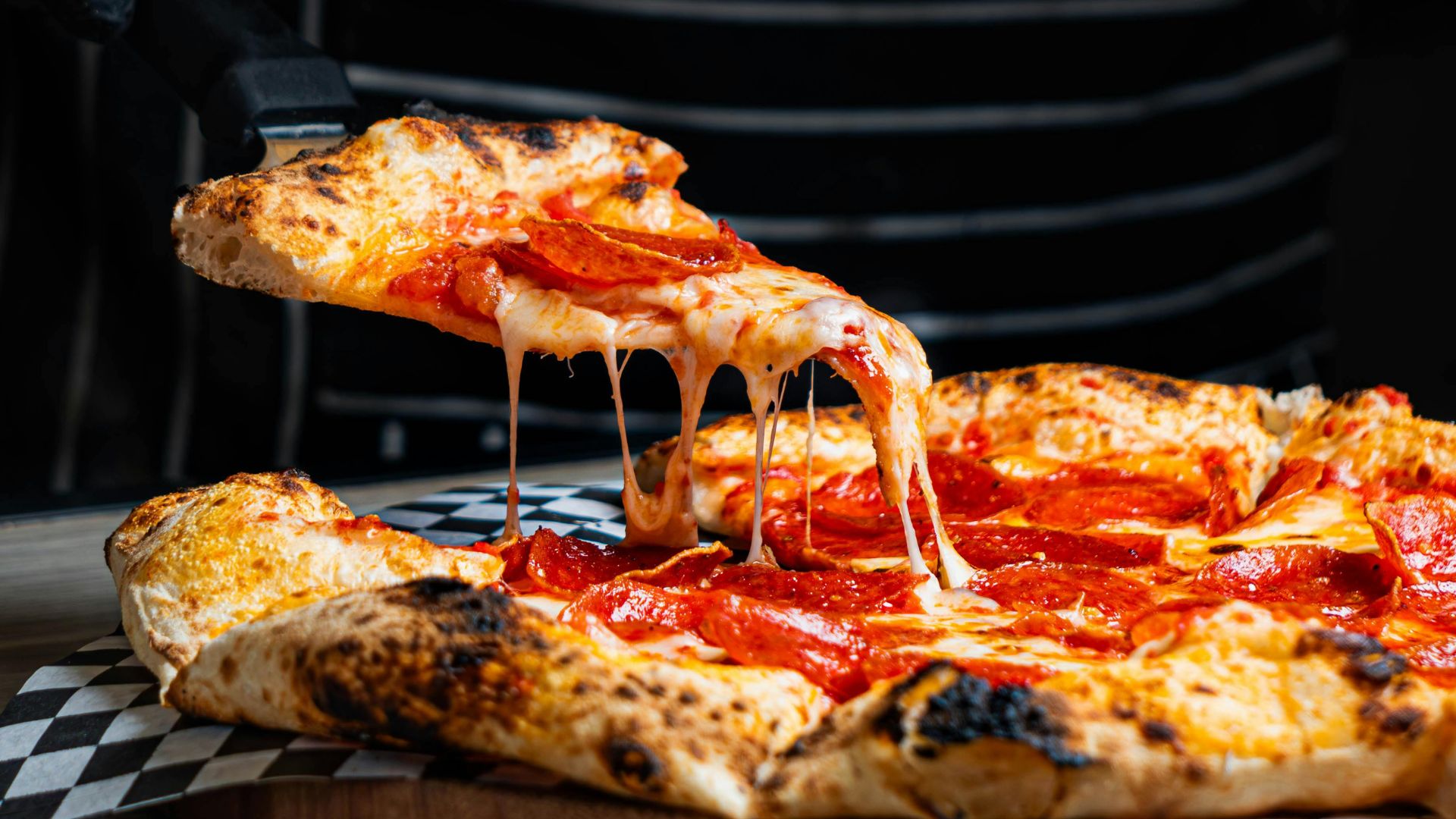
Thin crust New York pizzas offer a crispness that balances perfectly with a tender, chewy bite—a texture that sets them apart from other pizza styles. The crust itself is often hand-tossed to an ideal thinness that allows for an almost foldable slice, a signature characteristic many fans adore. This combination of crunch and pliability creates a mouthfeel that dances between crunchy and soft, inviting pizza lovers to experience each bite with an added layer of satisfaction. The thin crust acts as a delicate canvas, supporting toppings without overwhelming them, which allows every ingredient to shine distinctly.
What truly makes the crust exceptional is the blend of flour, water, yeast, and a touch of oil, mixed with a baking technique that emphasizes the hot, quick bake in a high-temperature oven. This process creates a lightly blistered and golden crust that holds just enough structure to carry the sauce and cheese but remains effortlessly thin. The result is a pizza that feels both substantial and light, inviting repeated indulgence without heaviness that thick crusts can sometimes bring.
The Art of Topping Selection on Thin Crust Pizzas
When it comes to thin crust New York pizzas, the toppings are as crucial as the crust itself. Each ingredient must be chosen thoughtfully to complement the crust’s delicate nature, enhancing the overall flavor without sogginess. Traditional choices like a robust tomato sauce, fresh mozzarella, and aromatic basil work in harmony with the crust’s crispness, creating a balanced bite with each fold. The toppings are spread evenly to ensure that every slice delivers a consistent taste experience, never overshadowing the crust’s defining characteristics.
Chefs often experiment with a variety of fresh and quality ingredients to keep the thin crust pizza interesting while respecting its heritage. From savory pepperoni that crisps up on the edges to colorful vegetables that add brightness and texture, every element is selected for its ability to meld beautifully without weighing the slice down. This careful curation ensures that the final pizza remains a cohesive masterpiece where the crust’s texture and flavor lead the way, enhanced by toppings that add layers of complexity.
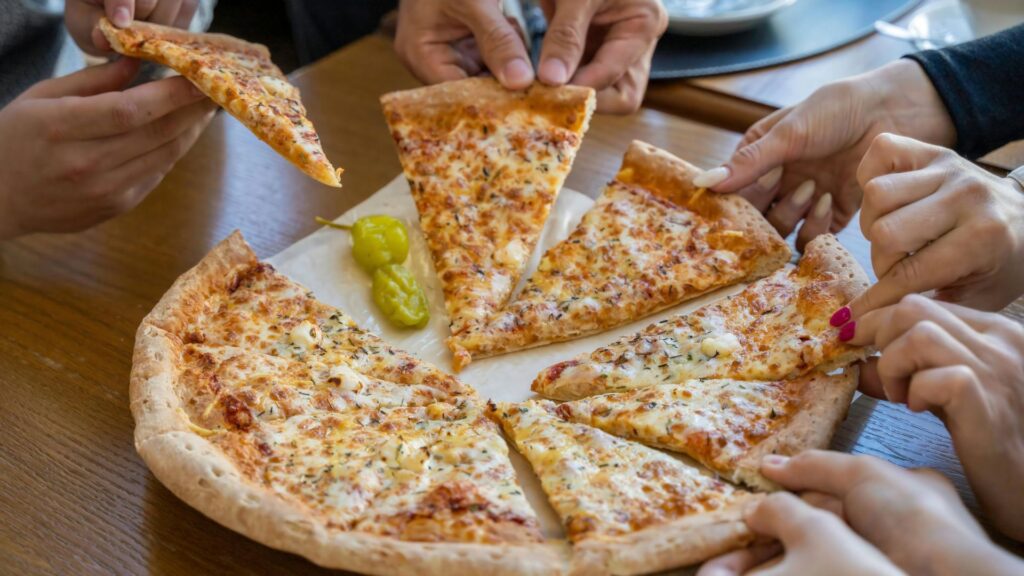
How Thin Crust New York Pizzas Capture Urban Spirit
Thin crust New York pizzas have an undeniable connection to the city that inspired them. More than just food, they symbolize the vibrant urban energy, resilience, and fast-paced lifestyle of New York City. The thin, foldable slice became a practical answer to the needs of busy New Yorkers who craved quick, portable, and satisfying meals on the go. This practicality married with flavor excellence created a cultural icon that transcends mere pizza and becomes part of the city’s identity.
Walking the streets of New York, the aroma of freshly baked thin crust pizza fills the air, inviting people from all walks of life to share a communal experience. The pizza serves as both a staple and a social glue, bringing together friends, families, and strangers alike. It is a culinary symbol of the city’s diversity and hustle—a quick slice enjoyed in a park, on a subway platform, or at a bustling corner pizzeria. This deep urban spirit imbues each pizza with a sense of place, making every bite a small taste of New York’s soul.
The Science Behind Achieving the Perfect Crisp
Creating the perfect thin crust pizza involves an intricate dance between ingredients, preparation, and oven dynamics. The crispness that defines this style depends heavily on the dough’s hydration level, the flour’s protein content, and the oven’s temperature. A slightly lower hydration allows the dough to spread thin without becoming too floppy, while a moderate protein flour ensures enough gluten development to give structure. These technical details impact how the crust crisps and browns during baking.
Oven temperature is another vital factor. Thin crust pizzas typically bake in a high-temperature environment that mimics traditional pizza ovens, allowing for rapid cooking that seals the crust quickly. This rapid heat exposure produces the characteristic bubbly, blistered edges while preserving the interior’s slight chewiness. The interplay of heat, dough composition, and baking time results in a texture that perfectly balances crunch and softness, elevating the thin crust to a distinct culinary experience.
The Role of Cheese in Enhancing Thin Crust Pizzas
Cheese on thin crust New York pizzas plays more than just a functional role; it’s a key ingredient that influences texture, flavor, and overall enjoyment. Mozzarella, with its creamy melt and mild flavor, is the classic choice, complementing the crust without overpowering it. The cheese’s meltability ensures a smooth, stretchy texture that contrasts with the crisp crust, creating a pleasing mouthfeel. Additionally, the cheese acts as a barrier that prevents the sauce from soaking into the crust, maintaining that prized crunch.
Some variations introduce blends of cheeses like provolone or parmesan to add depth and umami notes, enriching the flavor profile without distracting from the crust’s delicate nature. The careful layering of cheese and toppings ensures that the thin crust remains supported but never soggy, preserving the slice’s integrity. The interaction between cheese melt, topping moisture, and crust crispness is a delicate balance that defines the pizza’s character and its irresistible charm.
The Cultural Impact of Thin Crust New York Pizza
Thin crust New York pizza has left an indelible mark on American food culture, becoming synonymous with quick, delicious meals that are accessible to all. This style of pizza has inspired countless imitations and innovations across the country, but its roots remain firmly tied to New York’s culinary landscape. It represents a democratization of good food—affordable, shareable, and universally loved.
The pizza’s cultural significance goes beyond taste, influencing art, film, and social gatherings. It’s featured in countless stories as a comfort food and a symbol of community. The ritual of grabbing a slice from a local pizzeria has become a quintessential American experience. This impact highlights the way thin crust New York pizzas serve as both a culinary delight and a cultural phenomenon, embodying the spirit of a city and a nation.
Baking Techniques That Elevate Thin Crust Pizzas
Behind every memorable thin crust New York pizza lies a set of refined baking techniques that enhance flavor and texture. Dough fermentation, for instance, plays a crucial role in developing subtle tanginess and elasticity. Extended fermentation times allow the dough to mature, creating a richer flavor and a better crumb structure that holds up well under toppings.
Baking surfaces also matter. Using a stone or steel baking surface helps distribute heat evenly and draws moisture from the dough’s underside, promoting a crisp bottom crust. This technique replicates the effect of traditional pizza ovens and ensures that each slice maintains its signature texture. The art of baking thin crust pizza blends tradition and innovation, creating a pizza that feels both timeless and contemporary.
The Appeal of Foldable Slices in New York Pizza Culture
One of the most charming features of thin crust New York pizzas is their foldability, a trait that has become a cultural hallmark. This ability to fold a slice in half without cracking or losing toppings adds a tactile element to the eating experience. It’s both practical and playful, enabling easy consumption on the go and lending itself to a sensory interaction with the food.
The fold allows for enhanced flavor concentration, as folding stacks the cheese, sauce, and crust in a compact form, intensifying each bite. It’s this blend of convenience and sensory pleasure that has helped thin crust New York pizzas carve a niche in fast food culture, providing not just nourishment but an experience that feels authentically urban and unpretentious.
The Influence of Local Ingredients on Thin Crust Pizza Flavor
The quality and origin of ingredients play a significant role in defining the flavor profile of thin crust New York pizzas. Locally sourced tomatoes for the sauce, fresh dairy for the cheese, and artisanal flour contribute subtle but important nuances. These elements reflect a commitment to freshness and authenticity that honors the pizza’s heritage.
Incorporating local produce and seasonal ingredients can add unique twists without compromising the classic thin crust style. This approach supports sustainable practices and deepens the connection between the pizza and its community. The reliance on quality ingredients ensures that each bite is vibrant and flavorful, enhancing the crust’s delicate structure with fresh, complementary tastes.
The Enduring Popularity of Thin Crust New York Pizzas
Despite evolving food trends, thin crust New York pizzas continue to captivate pizza lovers across generations. Their enduring appeal lies in a harmonious combination of simplicity, quality, and cultural resonance. The balance between a light yet flavorful crust and thoughtfully selected toppings keeps the pizza relevant and beloved.
This timelessness speaks to the pizza’s ability to adapt while preserving its core identity. Whether enjoyed at a neighborhood pizzeria or crafted at home, thin crust New York pizzas remain a symbol of comfort and community. Their popularity is a testament to a style that refuses to be overshadowed, continuing to invite new fans into the fold with each perfect, foldable slice.
Conclusion
Thin crust New York pizzas embody a unique blend of texture, flavor, and cultural significance that few other dishes can match. From the crisp yet tender crust to the carefully curated toppings, each element works in harmony to create a pizza that feels both timeless and fresh. The art of crafting these pizzas draws from tradition and innovation, with attention to detail in every step, from dough preparation to baking techniques. This style offers not just a meal but an experience—a slice of New York’s vibrant energy and community spirit that travels beyond the city limits.
For those seeking an authentic taste of this irresistible charm, Night Owl Pizza & Drinks Scottsdale located at 1645 Hayden Rd, Scottsdale, AZ 85257 offers an exceptional experience. Their dedication to quality and flavor captures the essence of thin crust New York pizzas with every bite. To explore their menu or place an order, call (480) 687-1827 or email info@nightowlaz.com and discover why this pizza style continues to enchant pizza lovers far and wide.