
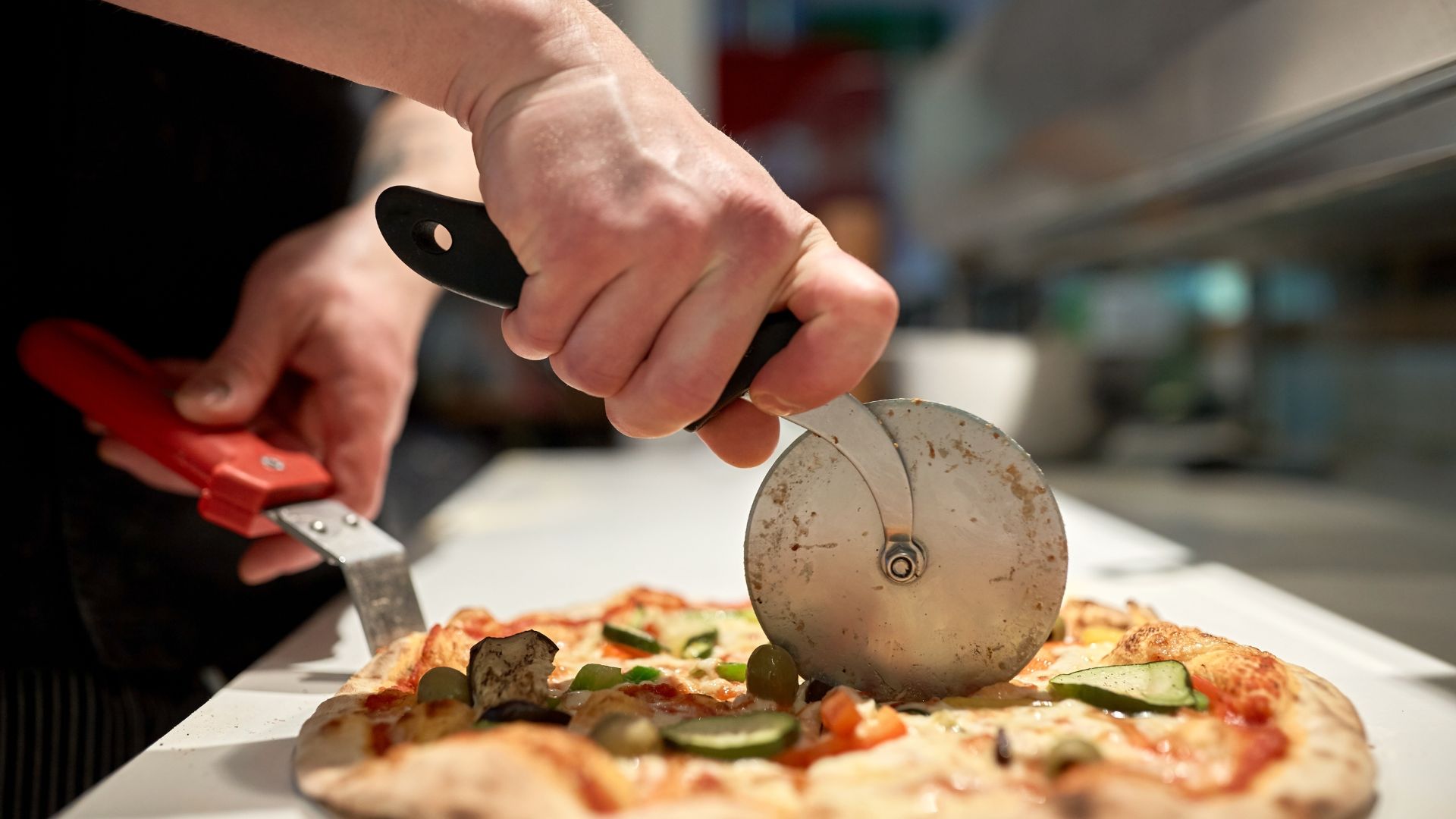
New York-style pizza owes much of its distinctive character to the flour used in the dough. Unlike many other pizza styles, the flour here must strike a delicate balance between strength and tenderness. This balance allows the dough to develop the perfect chewiness, creating that iconic New York crust that is both crispy on the edges and pliable enough to fold without cracking. High-gluten flour, typically used in New York pizza dough, provides the elasticity needed to stretch the dough thin without tearing. This quality is essential for creating the pizza’s large, wide slices that have become a hallmark of the city’s pizza culture.
What sets the flour apart is not just its gluten content but also the water quality and mineral content in New York, which many believe contributes to the unique texture and flavor. The flour blends with other simple but crucial ingredients like yeast, water, salt, and a hint of sugar to enhance browning during baking. The dough is then given ample time to ferment and develop flavor complexity, often left to rise slowly overnight or longer. This careful preparation ensures that every slice delivers a crust that’s slightly chewy yet crisp, forming the canvas upon which the other unique ingredients build the unforgettable New York pizza experience.
The Classic Tomato Sauce Crafted From Vine-Ripened Tomatoes
The tomato sauce on a New York-style pizza is more than just a spread; it’s a carefully crafted component that brings balance and brightness to each bite. Traditionally, the sauce is made from ripe, vine-ripened tomatoes, which offer a natural sweetness and acidity that cuts through the richness of the cheese and dough. Unlike heavily seasoned or chunky sauces found in other styles, New York pizza sauce tends to be smooth and lightly seasoned, allowing the tomato flavor to shine without overpowering the other ingredients.
The sauce is simmered gently, often with a subtle blend of garlic, onion, and a pinch of oregano or basil, which enhances its aroma without masking the tomato’s natural profile. This restrained approach results in a sauce that is vibrant, tangy, and slightly sweet, creating a perfect counterpoint to the savory cheese and dough. The tomato sauce acts as a bridge between crust and toppings, adding moisture and complexity while maintaining the clean, straightforward taste that defines New York pizza.
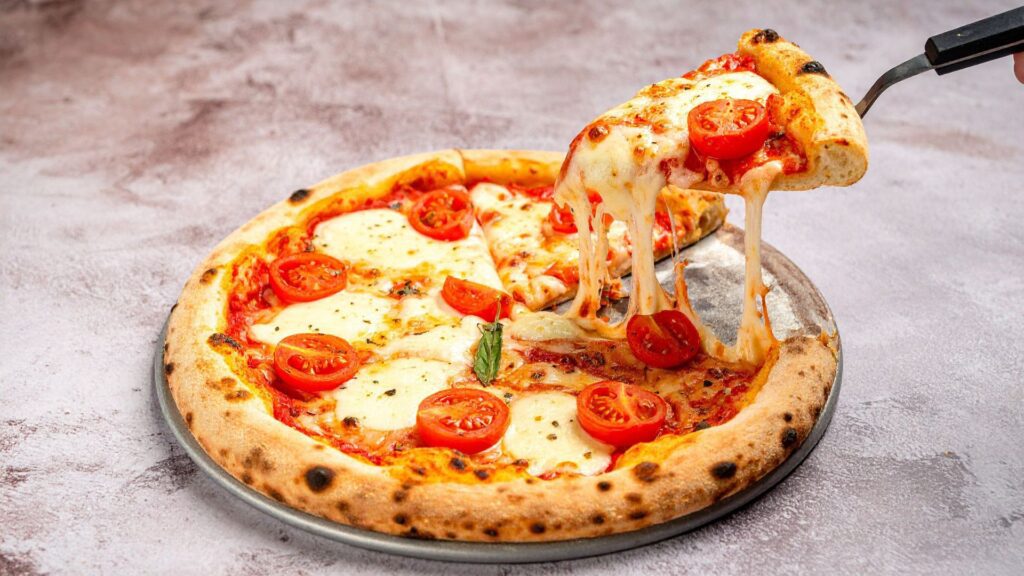
The Signature Use of Mozzarella Cheese for Melt and Flavor
Mozzarella cheese on a New York pizza is a cornerstone ingredient that sets this style apart from many other regional pizzas. The cheese chosen is typically a low-moisture, whole milk mozzarella that melts beautifully to create a creamy, stretchy texture without releasing too much oil. This type of mozzarella offers a mild but rich flavor that complements the sauce and crust, binding the elements together in a harmonious balance of taste and texture.
New York pizza cheese is carefully layered to cover the sauce evenly, producing that signature golden bubble on top after baking. The cheese’s melting properties allow for a luscious mouthfeel while maintaining enough body to hold up well when the pizza is folded and eaten on the go. This particular mozzarella cheese enhances the sensory experience, contributing not just flavor but a satisfying tactile quality that is deeply associated with New York-style pizza enjoyment.
The Importance of Olive Oil in Dough and Sauce
Olive oil is a subtle yet indispensable ingredient that influences New York pizza’s texture and flavor profile. Added sparingly to the dough, olive oil helps tenderize the crust, ensuring it stays soft inside while achieving a slight crispness on the exterior during baking. The oil’s presence contributes to a nuanced richness, enhancing the dough’s mouthfeel without making it greasy or heavy. This delicate touch of olive oil also aids in the dough’s browning process, contributing to the crust’s inviting golden color and slight crunch.
In the sauce, olive oil is often drizzled or incorporated to deepen the flavor and add a silky texture. The oil acts as a carrier for the herbs and spices, helping to release their aromas while enriching the tomato’s natural sweetness. Together, these subtle applications of olive oil create a cohesive sensory experience, weaving together the dough, sauce, and cheese into a pizza that feels both indulgent and perfectly balanced.
The Subtle Impact of Sea Salt in Enhancing Flavor
Sea salt, often overlooked, plays a vital role in defining the flavor profile of New York pizzas. Unlike ordinary table salt, sea salt contains trace minerals that contribute a more complex and rounded taste. When incorporated into the dough, the salt regulates yeast activity and strengthens gluten strands, which is essential for achieving the ideal crust texture. The seasoning provided by sea salt also elevates the dough’s flavor, making the crust taste more vibrant and less bland.
Sprinkled lightly into the tomato sauce, sea salt sharpens the sauce’s acidity and balances its natural sweetness. The mineral complexity of sea salt ensures that every bite has a heightened depth, making the ingredients sing in harmony. This nuanced seasoning approach reinforces the authenticity of New York pizza, where simplicity meets sophistication through thoughtful ingredient choices.
The Role of Fresh Garlic in Sauce and Oil
Fresh garlic is an ingredient that brings a pungent, aromatic quality to New York pizza, often used in the sauce or infused into oils that brush the crust. Its presence, though sometimes subtle, adds a layer of savory complexity that enhances the overall flavor without overpowering the other ingredients. When simmered gently in the tomato sauce, fresh garlic releases its sweetness and mellow heat, creating a fragrant base that complements the tomato’s natural brightness.
In some recipes, garlic-infused olive oil is brushed onto the dough before baking, imparting a golden, flavorful crust that tempts the senses. This technique elevates the pizza’s aroma and adds a subtle garlicky kick that lingers in the background. The fresh garlic’s delicate balance between sharpness and sweetness exemplifies the nuanced ingredient layering that defines a truly memorable New York-style pizza.
The Distinctiveness of Dried Oregano and Herbs
Dried oregano is a herb that has become synonymous with New York-style pizza, its earthy and slightly bitter notes cutting through the richness of cheese and dough. The herb is traditionally sprinkled over the sauce or even the finished pizza, adding bursts of flavor that brighten each slice. Oregano’s role is subtle but essential, providing a herbal backbone that ties together the tomato’s acidity and the cheese’s creaminess.
Alongside oregano, other dried herbs like basil or thyme may be incorporated in small amounts, enriching the sauce with nuanced aromatic qualities. These herbs complement the pizza without dominating, maintaining the balance that is so characteristic of New York’s pizza style. The herbal infusion helps to create an olfactory signature that is instantly recognizable and deeply comforting.
The Use of Cornmeal or Semolina in Baking
A unique ingredient in the pizza-making process that defines New York-style pizza is the use of cornmeal or semolina flour sprinkled on the pizza peel or baking surface. This simple addition serves multiple purposes: it prevents the dough from sticking during the transfer to the oven and adds a slight crunch to the bottom crust. The gritty texture of cornmeal or semolina contrasts with the chewy dough, creating a subtle textural interplay that enhances the overall eating experience.
This technique also imparts a faint, toasty flavor that becomes part of the crust’s character. The golden specks of cornmeal add a rustic visual appeal and contribute to the distinct mouthfeel that sets New York pizza apart. This ingredient’s presence is a nod to the traditional artisan methods still honored by pizzerias, highlighting the craft behind every slice.
The Balanced Sweetness of Sugar in Dough Preparation
Though sugar may seem like an unexpected addition in pizza dough, it serves a crucial function in New York-style pizza making. A small amount of sugar in the dough helps to feed the yeast during fermentation, encouraging a proper rise and the development of complex flavors. This fermentation process is responsible for the dough’s subtle sweetness, which balances the acidity of the tomato sauce and the saltiness of the cheese.
Beyond its role in fermentation, sugar promotes browning during baking, contributing to the crust’s beautiful golden hue and slight caramelization around the edges. This gentle sweetness creates a harmony between the dough and toppings, ensuring that the pizza tastes rounded and satisfying. The inclusion of sugar is a fine example of how even the smallest ingredient can have a significant impact on the final flavor profile.
The Choice of Water and Its Effect on Dough Texture
Water quality is often an underestimated factor that profoundly affects New York pizza dough. The minerals and pH level in water can influence gluten development, dough elasticity, and ultimately the crust’s texture. Many believe that New York’s water, with its unique mineral content, plays a part in why the city’s pizza dough turns out so tender yet resilient, capable of holding the toppings without becoming soggy.
In crafting dough, the hydration level is carefully controlled to achieve a consistency that stretches easily but remains firm enough to support a large, foldable slice. The water interacts with the flour and yeast in a delicate balance, ensuring the dough ferments properly and develops a chewy crumb with a slight crunch on the outside. This ingredient, invisible yet essential, forms the foundation upon which the other unique components build the iconic New York pizza.
Conclusion
New York-style pizza is a culinary symphony composed of carefully selected ingredients, each contributing distinct qualities that combine into an unforgettable taste experience. From the high-gluten flour that crafts the perfect dough texture to the bright, vine-ripened tomato sauce, every element plays a critical role in shaping the pizza’s identity. The use of mozzarella cheese, olive oil, sea salt, and fresh garlic layers complexity, while traditional herbs and baking techniques like cornmeal dusting add depth and character. Even subtle ingredients like sugar and water quality cannot be overlooked, as they underpin the dough’s rise, flavor, and texture.
For those seeking to savor an authentic New York-style pizza crafted with these unique ingredients, Night Owl Pizza & Drinks Scottsdale offers an experience that honors these traditions with every slice. Located in Scottsdale, Arizona, this establishment brings the essence of New York’s pizza culture to the Southwest. For more information or to place an order, call (480) 687-1827 or visit them at 1645 Hayden Rd, Scottsdale, AZ 85257. Their dedication to quality ingredients and authentic preparation makes every pizza a celebration of New York’s timeless culinary legacy.