
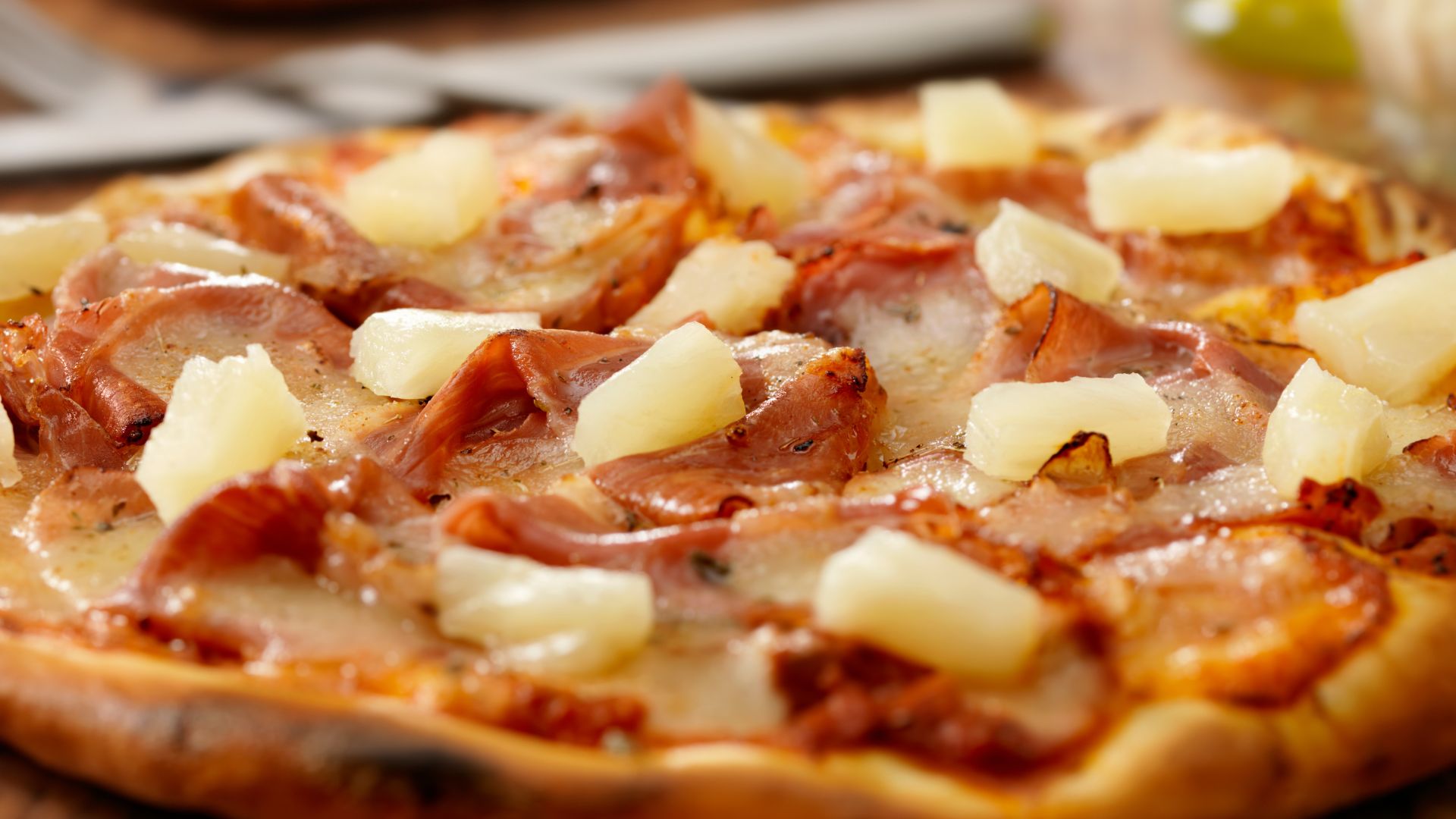
The journey to extraordinary pizza begins beneath the toppings with the dough—this foundation is where technique meets artistry. By mixing the dough with a lower hydration percentage and giving it a slow, cold fermentation you allow the flour to awaken gradually, creating deeper flavor and a crispier, more complex crust. Instead of relying solely on rapid yeast activation you embrace patience and let the gluten network gently strengthen, creating a base that supports bold toppings rather than collapsing beneath them. The result is a crust that sings under the weight of ingredients yet remains light enough to lift a perfect slice.
Once the dough is proofed, an unconventional flick and fold technique can introduce micro-air pockets that toast into tiny golden cavities during baking. This subtle process ensures each bite carries a slight crunch before yielding to the chew—a crunchy exterior with a tender interior. In kitchens where slices fly fast and frames are everything the dough becomes the unsung hero, quietly supporting every bold garnish and smoky cheese pull.
Precision in Sauce Application
Sauce is more than a condiment—it’s part of the performance. Rather than layering on a uniform blanket of tomato, skilled hands apply alternating arcs of sauce and clear space so the crust can crisp unabated at the edges. This method lets the tomato’s brightness shine while keeping the peel free of sogginess at the border. Moreover a quick reduction of the sauce with fresh basil, garlic, and a touch of honey introduces organic sweetness that balances the acidity of the tomato. Such a sauce doesn’t dominate but harmonizes, letting the dough achieve its crisp while the toppings remain vivid.
When slicing, the thickness of sauce under the slice matters. Too heavy a pool and the underside stays limp; too light and the slice becomes dry. The sweet spot is a thin veil—just enough to bind the toppings and deliver flavor without drowning the crust’s integrity. The result when pulled from the oven: a vibrant tomato kiss and a base that responds with a satisfying heft rather than a floppy fold.

Strategic Cheese Placement for Melt and Pull
Cheese is not simply dropped on top—it’s orchestrated. Employing a base layer of low-moisture mozzarella ensures that classic pull effect while reserving small dollops of fresh mozzarella strategically placed for creamy bursts. The low-moisture base melts and browns uniformly, while the fresh cheese creates visual peaks and rich pockets of flavor. This dual-textural approach ensures each slice surprises: stretches, browns, then delivers molten cream. Pairing cheeses with subtle variations—a touch of aged provolone around the perimeter or a whisper of smoked gouda near the crust—enhances dimension and flavor without cluttering the profile.
In assembly timing matters: the base cheese applied just before the oven ensures thick coverage, and the fresh cheese added mid-bake prevents over-melting and preserves its distinct character. When the slice emerges you witness the cheese cascade, the strings elevate, and the flavor profile splits into crisp, gooey, smoky—capturing dimensionality that transforms a simple slice into an experience.
High-Heat Finishing to Lock in Texture
Temperature is the magic wand. By firing the oven to high temperatures—well above standard commercial ranges—you achieve a dynamic bake where the crust blisters in seconds and toppings lock in freshness. This rapid sear on the crust edge creates caramelization, char marks, and crispness without overcooking the middle. For slices, this technique ensures the edge stands tall and proud, not limp or chewy. The top surface browns quickly, the underside crisps, and the entire slice emerges with structural integrity.
However, high heat demands vigilance. A turning protocol midway through the bake ensures even cooking; a slight tilt allows excess moisture to drain rather than pooling and softening the slice. Moreover, rotating the pie enables uniform blistering on all sides. The result is a crust that snaps when bitten, toppings that retain brightness, and a slice that holds until the last bite—no sagging, no compromise.
Slice-Specific Cutting and Presentation
Presentation is the silent handshake of pizza. Cutting method and timing determine how each slice behaves on presentation and as it travels to the table. Instead of waiting until the pie has fully cooled, the slice is cut immediately as it comes out of the oven while still resting—but not fully settled—to allow internal steam to settle without condensing on the crust. A sharp blade creates a clean edge, no tearing or dragging of melted cheese. This precision ensures that when the customer lifts the slice it has structural integrity: the tip reaches toward your mouth rather than drooping.
Considering the audience for by-the-slice service, portion size matters: slightly narrower wedges allow for faster turnover and more tempting presentation under display lighting. The slice angle is chosen to maximize visual impact—the cheese pulls, the crust blistering, the toppings layered in a visible cascade. In doing so the slice becomes not just food but a visual invitation, a promise of the experience inside the box.
Ingredient Layering with Weight and Balance in Mind
Adding toppings requires a delicate balance between ambition and restraint. For slices that hold their own under heavy toppings, layering begins with the sturdiest elements—say charred meat or roasted vegetables—followed by lighter ingredients and finished with micro-greens or finishing oils post-bake. This reverse stacking ensures heavier ingredients anchor the slice at the bottom, preventing toppling or sliding as the slice is held. Moreover it preserves peak freshness of delicate items by adding them after the intense heat.
Furthermore seasonal produce can be introduced in small bursts rather than sweeping covers. A few slices of heirloom tomato or roasted pepper here and there create flavor hotspots rather than flatten the profile. A drizzle of olive oil or a sprinkle of sea salt after baking enhances aroma right as the slice hits the plate. This layering strategy ensures every bite evolves rather than repeats—first crisp crust, then vibrant sauce, then dynamic cheese, followed by topping complexity and finishing brightness.
Innovative Bake Styles for Varied Texture
To deliver an unpredictable slice lineup you can adopt varied bake styles within one menu—thin ultra-crisp for crunch lovers, medium for traditionalists, and semi-thick for those chasing chew. Each style adjusts dough hydration, bake temperature, and time. The thin style bakes at the hottest temperature for a shorter time to achieve blistering and snap; the medium allows slightly longer time giving a tender chew; the semi-thick introduces a touch more internal softness while retaining exterior crisp. This tiered approach invites guests to choose their texture adventure rather than default to one.
Within the slice-by-slice model you can even deploy a dual-zone oven: one zone for quick thin slices, another for the heartier types. This ensures turnover stays fast without compromising slice quality. The visual variety becomes part of the allure—guests watching the crust corners crisp, the cheese melt, and the steam release. The result is a lineup of slices that each carry a distinct personality yet share a consistent flavor foundation.
Aromatic Enhancements Post-Bake
Flavor isn’t finished when the pie leaves the oven. With slices, applying post-bake touches amplifies aroma and freshness. A light brush of basil-infused olive oil across the crust edge infuses fragrance into each bite, while a dusting of Pecorino or Parmigiano adds umami and visual texture. Fresh cracked pepper or micro-herbs added after cooking deliver brightness that would otherwise vanish in the heat. These finishing touches elevate the slice beyond the expected.
Moreover a brief moment under a low broiler or salamander for just a few seconds can draw out extra char on cheese peaks or crisp up edges of toppings without baking the piece further. This seconds-long tweak adds dimension and shows attention to detail. When a guest lifts the slice they sense not just warmth but aroma, texture, and a subtle flourish that sets the offering apart.
Display and Holding Techniques that Preserve Quality
Serving slices efficiently while maintaining integrity is a craft in itself. Once baked, slices need to rest briefly on a cooling rack to allow moisture to escape—this prevents soggy bottoms. Display stands tilted slightly forward draw the eye and allow heat to rise away, while a warm ambient case holding slices at just the right temperature preserves crispness without drying them out. This delicate balance keeps slices ready for service yet fresh.
Staff training matters too: handling the slice at the crust edge rather than lifting each by the tip prevents collapse or sliding of toppings. Containers with ventilation holes allow steam to release instead of streamlining into condensation which would soften the crust. When the slice is claimed the consumer receives a piece that looks and feels as though it just emerged—crisp edge, vibrant toppings, a base ready to be lifted and enjoyed without compromise.
Continuous Innovation through Guest Feedback and Seasonal Tweaks
Even with refined technique the journey doesn’t end—monitoring guest responses and adapting is key. Offering rotating seasonal toppings or limited-run styles invites excitement and experimentation. By tracking which slice styles disappear first you glean insight into guest texture preferences, topping combinations that hit and those that miss. Adapting the bake time or sauce ratio based on these subtle signals keeps the menu dynamic and evolving.
In addition, inviting feedback on slice performance—how it held up in-hand, how the bite felt, how toppings travelled—yields practical refinements. Perhaps a topping layer is too heavy and causes sag; maybe the crust edge loses crisp too quickly under display heat. Making small adjustments—tweak hydration, lower sauce volume, shift placement of fresh toppings—ensures that each iteration refines the offering. This cycle of innovation lives quiet behind the scenes yet shows in every slice delivered: improved texture, better balance, fresh flavor combinations that keep guests coming back for the unexpected.
Building a Slice Ritual that Resonates with Guests
Ultimately the goal is more than a good pizza—it’s creating a ritual around the slice. Think of the guest lifting the warm piece, observing the bubbled crust, noting the cheese stretch, catching aroma of toppings and finishing oil. The moment of presentation, the feel in the hand, the first bite—all these are part of the story. When you bake intentionally, slice strategically, and finish thoughtfully the slice becomes a mini-ceremony.
Encouraging guests to share the visual spectacle—snap the cheese pull, show the blistered crust—they become participants in the craft. Behind the scenes, the kitchen knows the slice is more than delivery: it’s moment creation, memory forming. When the last crumb is lifted and the box is empty there’s satisfaction not just from eating but from experiencing. That sense of ritual, reinforced slice after slice, builds loyalty, turns casual visits into habitual stops, and elevates what could be simple food into something memorable.
Conclusion
In this ongoing exploration of pizza technique each element from dough to display plays a vital part. The careful fermenting of the crust, the thoughtful application of sauce, the strategic layering of cheeses and toppings all converge in each slice. High-heat finishing, post-bake aromatics, display practices and feedback-driven evolution keep the craft vibrant and ever-improving. When you step into a space where these methods are embraced you’re not just eating pizza—you’re participating in something curated.
If you’re ever in Scottsdale, consider reaching out to the team at Night Owl Pizza & Drinks, located at 1645 Hayden Rd, Scottsdale, AZ 85257. They’re available at (480) 687-1827 and via email at info@nightowlaz.com. Whether you’re drooling over a perfect slice or planning a night out, the blend of pizza craft and welcoming atmosphere makes for a memorable visit.