
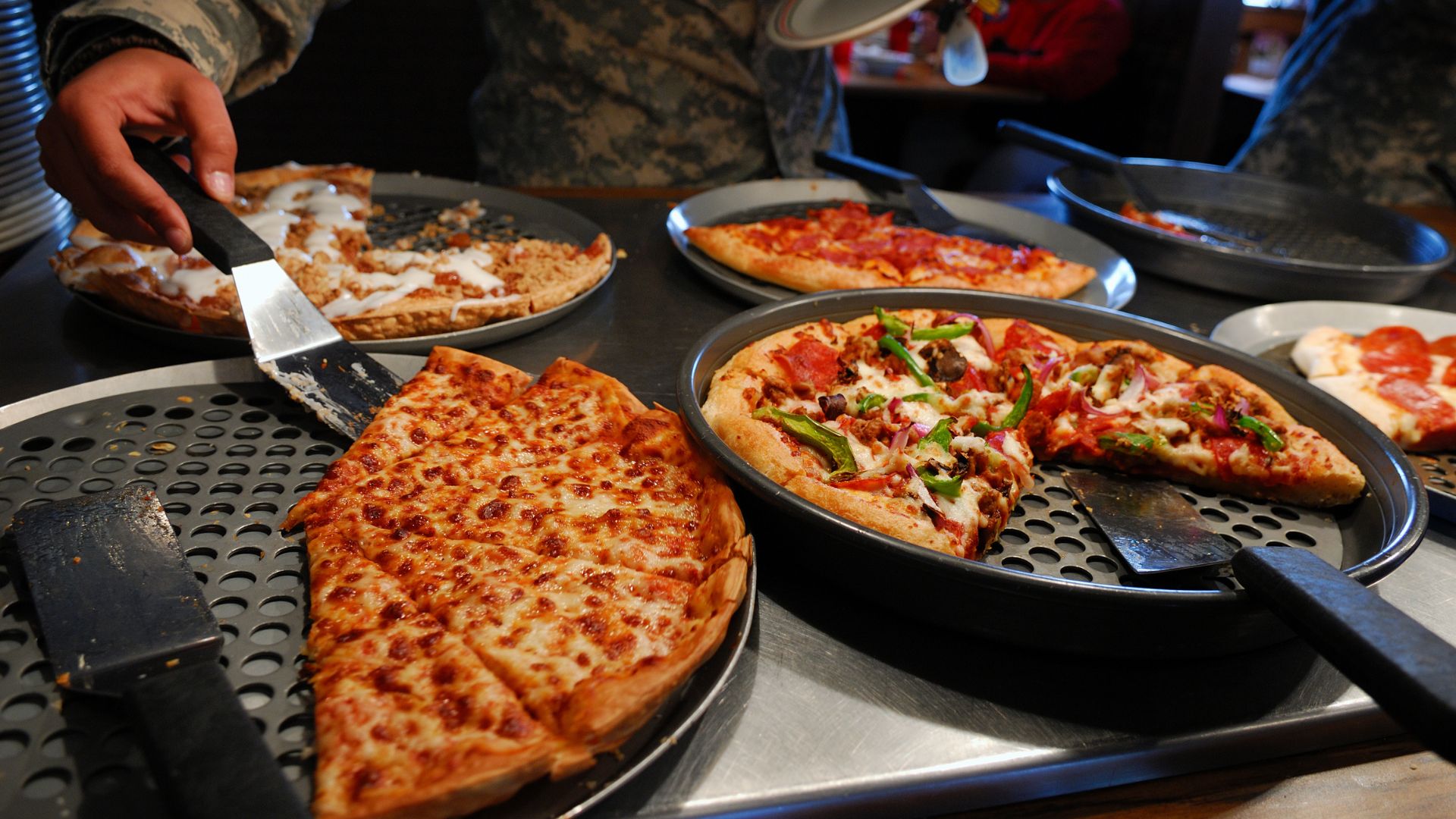
A pizza crust is more than just a base; it’s the foundation that holds the entire slice together, defining its texture and flavor. The perfect crust achieves a balance between crispiness and softness, acting as a supportive stage for the toppings while contributing its own unique character. Achieving this harmony requires attention to the ingredients, the dough preparation, and the baking technique. The flour’s quality, the yeast’s activity, and even the water used in the dough combine to influence the crust’s elasticity and chewiness. The dough must be kneaded just right to develop gluten networks that provide the desired structure without becoming tough.
Crafting an ideal crust involves patience and precision. The dough is often left to ferment, allowing natural flavors to develop and enhancing its texture. This fermentation process is essential, as it creates air pockets within the dough, which expand in the oven and result in a light, airy interior contrasted by a slightly crisp exterior. Without this step, the crust could turn out dense or flavorless, losing the qualities that make a pizza slice truly satisfying. From selecting the right flour blend to managing fermentation times, every detail contributes to the crust’s personality.
The Role of Ingredients in Shaping Crust Quality
The ingredients used in the dough recipe are the silent heroes behind every great pizza crust. Flour is the cornerstone, and its protein content directly affects the dough’s ability to rise and stretch. High-protein flours yield more gluten, which means a dough that’s elastic and sturdy enough to hold toppings without tearing. Conversely, lower-protein flours create softer, more delicate crusts better suited for thin and crispy styles. Balancing this is a nuanced art, as the choice depends on the style of pizza desired, but the flour’s impact cannot be overstated.
Yeast, as the agent of fermentation, breathes life into the dough. It produces carbon dioxide that forms bubbles, making the dough rise and develop texture. The quality and freshness of yeast determine how well the dough ferments, influencing the crust’s fluffiness and subtle tang from fermentation acids. Salt also plays a critical role by strengthening gluten structure and regulating yeast activity, preventing over-fermentation. Water quality and temperature affect the dough’s hydration and texture, adding another layer of complexity to ingredient selection.
How Dough Preparation Affects the Crust’s Texture
The process of mixing and kneading dough is foundational in creating the texture that defines a pizza crust. Kneading distributes yeast and ingredients evenly, while encouraging gluten strands to align and strengthen. This alignment allows the dough to stretch thin without tearing, a key feature in creating a crust that is both tender and resilient. Over-kneading can result in a tough, chewy crust, while under-kneading produces a fragile base prone to breakage.
Resting the dough after kneading is equally crucial. This resting phase, often called “proofing,” lets the gluten relax and the yeast ferment the sugars within the dough. This fermentation results in a light, airy texture filled with small pockets of air. The longer the dough rests (within reason), the more complex its flavor and texture become. Proper timing in this stage gives the crust a subtle chewiness without feeling dense or overly dry.
The Importance of Dough Hydration Levels
Dough hydration refers to the ratio of water to flour in the recipe and significantly affects the crust’s final texture. Higher hydration doughs are wetter and produce a softer, airier crumb with large, irregular holes typical of rustic or artisan styles. This wet dough can be more challenging to work with but results in a crust that is moist on the inside and crisp on the outside. Lower hydration doughs tend to be stiffer, yielding a denser and more uniform crumb, often preferred in more traditional or thin-crust pizzas.
Balancing hydration is about achieving workability without sacrificing texture. If the dough is too wet, it becomes sticky and hard to shape, while too dry dough can crack and resist stretching. Skilled pizza makers learn to adjust water content based on flour absorption rates and ambient humidity, crafting doughs that feel just right to the touch. This tactile experience is an integral part of understanding how hydration influences crust quality.
The Impact of Fermentation Time on Flavor and Texture
Fermentation time is a hidden ingredient that elevates a pizza crust from good to exceptional. During fermentation, yeast consumes sugars and releases gases, alcohol, and organic acids, all of which contribute to the dough’s flavor profile. A longer, slower fermentation at cooler temperatures enhances complexity, yielding subtle tangy notes and an open crumb texture prized by pizza connoisseurs. Rapid fermentation, while quicker, often results in less flavorful, denser crusts lacking character.
Cold fermentation allows dough to mature gradually, giving the gluten a chance to strengthen and the yeast to develop nuanced flavor compounds. This process can take a day or more but is essential for those seeking depth in their crust. In contrast, a fast-rise dough, suited for busy kitchens, sacrifices some of that complexity but may still produce an enjoyable result if handled carefully.
Oven Temperature’s Role in Achieving Crust Perfection
The oven’s heat is the final critical factor in turning raw dough into a perfect pizza crust. High temperatures create rapid steam inside the dough, puffing it up quickly and caramelizing sugars on the surface, which forms a crisp, golden exterior. This intense heat seals in moisture, keeping the interior tender while producing a satisfying crunch. Different styles of pizza require different baking temperatures, but hotter ovens typically yield better crust texture.
Traditional wood-fired ovens can reach temperatures far exceeding those of standard home ovens, often baking a pizza in just a few minutes. This quick cooking seals in freshness and prevents drying. Home ovens, although less intense, can still produce excellent crusts with preheating and proper stone or steel surfaces that mimic professional heat retention. Understanding the role of temperature allows pizza enthusiasts to adjust baking techniques to their equipment and desired crust style.
Techniques for Stretching Dough to Preserve Texture
How dough is stretched shapes the final crust’s texture and structural integrity. Stretching by hand, rather than using a rolling pin, preserves air pockets formed during fermentation, resulting in a lighter, more delicate crust. A rolling pin compresses the dough, squeezing out gas and leading to a denser base that lacks the desired airy quality. Hand stretching also allows for more control over thickness and edge formation, creating the signature crust edge or “cornicione.”
Experienced pizza makers develop a feel for dough elasticity and learn to stretch it evenly without tearing. This process involves gentle pressing and rotating, coaxing the dough to expand gradually. Properly stretched dough retains its gas bubbles, which expand in the oven to produce the signature open crumb and crispy edges. Stretching is both an art and a science, combining tactile sensitivity with an understanding of dough behavior.
The Role of Flour Types in Crust Flavor Profiles
Different flours impart distinct flavors and textures to pizza crusts. Traditional Italian-style pizzas often rely on “00” flour, a finely ground wheat flour with moderate protein content that creates a tender yet chewy crust. This flour produces a delicate, refined crumb that absorbs toppings well without overpowering them. In contrast, bread flours with higher protein content lend a chewier, heartier texture favored in New York-style pizzas.
Blending flours can tailor crust flavor and texture, incorporating whole wheat for nuttiness or rye for a subtle earthiness. Each choice alters gluten formation and hydration requirements, affecting how the dough stretches and bakes. Exploring flour varieties allows pizza makers to experiment with unique crust personalities, bringing creativity and regional character to their slices.
How Baking Surfaces Influence Crust Development
The surface on which pizza is baked plays a vital role in achieving the perfect crust. Baking stones and steel plates absorb and radiate heat evenly, simulating the floor of a traditional pizza oven. This intense, direct heat cooks the bottom crust quickly, forming a crisp, blistered surface without drying the interior. Without such surfaces, dough often cooks unevenly, resulting in soggy or underbaked bottoms.
Porous stones absorb moisture from the dough, enhancing crispness, while steel’s superior heat conductivity can create even faster baking times and more pronounced crust texture. The choice between stone or steel may depend on oven type and personal preference, but both provide a significant upgrade from standard baking sheets. Understanding baking surfaces empowers pizza lovers to optimize their home baking results.
The Subtle Art of Balancing Thickness and Crispiness
The thickness of a pizza crust is a delicate balance between chewiness and crispness, crucial to the overall enjoyment of a slice. Thin crusts must be stretched carefully to maintain enough strength to hold toppings without collapsing, resulting in a light, crisp bite. Thicker crusts offer a pillowy texture and more substantial chew but require longer baking to ensure they cook through without becoming doughy.
This balance is influenced by dough hydration, fermentation, and baking temperature, all interacting to produce a crust that supports its toppings and satisfies textural expectations. Finding the right thickness depends on style preference but also on understanding how these factors work together. The interplay between thickness and crispiness makes each pizza slice a distinct experience, inviting experimentation and refinement.
Conclusion
The perfect pizza slice crust is the result of numerous interconnected factors working harmoniously, from ingredient selection and dough preparation to baking techniques and temperature control. Each step in the process influences the crust’s texture, flavor, and overall appeal. Understanding these elements unlocks the door to creating crusts that are crispy on the outside, tender within, and full of flavor that enhances every bite. The care and craftsmanship poured into every pizza slice elevate it beyond mere food into an art form.
For those seeking this exceptional crust experience, Night Owl Pizza & Drinks Scottsdale offers a place where quality meets passion. Located in Scottsdale, AZ, their dedication to authentic pizza craftsmanship can be reached at (480) 687-1827. Whether you are a local or a visitor, discovering their carefully crafted slices promises a memorable taste of pizza perfection in a welcoming setting.